
How Can Professional Caregivers Help a Loved One Maintain Dignity and Independence?

Professional caregivers can help a senior loved one maintain dignity and independence by offering personalized support that encourages self-reliance while providing a safe and respectful environment. By honoring personal boundaries and focusing on what individuals can still do for themselves, caregivers foster a strong sense of autonomy. This thoughtful approach ensures daily routines remain empowering rather than restrictive.

How Do Caregivers Encourage Daily Decision-Making?

Caregivers empower individuals by giving them the freedom to make choices about their everyday lives. Instead of dictating the schedule, professionals actively ask for the person’s preferences regarding various aspects of their routine:

  • Choosing what to eat for meals and snacks
  • Selecting their own outfits for the day
  • Deciding which recreational activities or hobbies to pursue

What Role Does Respectful Communication Play?

Clear and respectful communication is the foundation of preserving dignity. Professional caregivers speak directly to their clients, using a tone that honors their life experiences and adulthood. They actively listen to concerns, maintain eye contact, and validate feelings, which ensures individuals feel heard and valued in their own homes.

How Can Physical Assistance Be Provided Respectfully?

When helping with personal care, caregivers focus on privacy and discretion to protect the individual’s modesty and dignity. They encourage clients to do as much as they can safely manage on their own before stepping in to assist. For example, a caregiver might set out grooming supplies and offer gentle guidance rather than completely taking over the routine.

Boca Raton elderly home care experts are available to provide high-quality care to seniors on an as-needed basis. From assistance with mobility and exercise to arranging transportation to the doctor’s office and social events, there are a variety of ways professional caregivers can help your aging loved one continue to live independently.

Why Is Modifying the Home Environment Important?

Adapting the living space allows individuals to navigate their homes safely and independently. Caregivers assess the environment to remove tripping hazards and reorganize everyday items so they’re easily accessible. This proactive organization reduces frustration and allows your loved one to complete daily tasks with minimal intervention.

Living independently is important for seniors who want to maintain a high quality of life. For some, this simply means receiving help with tasks that have become more challenging to manage over time. Even when families have the best intentions, they may not have the time to provide the care their elderly loved ones need and deserve. If your loved one needs help for a few hours a day or a few days a week, reach out to Angel Touch Home Care, a trusted provider of respite, live-in, and overnight care Boca Raton seniors can depend on. To create a customized in-home care plan for your loved one, call us today.

Frequently Asked Questions

How do caregivers balance safety with independence?
+

Caregivers carefully monitor the home environment for hazards while allowing clients to perform tasks they can still manage safely. They step in only when necessary to prevent accidents without taking over the task completely.

Some seniors only require help with a few daily tasks so they can maintain their independence. However, those living with serious illnesses may need more extensive assistance. Luckily, there is top-rated professional 24-hour home care for seniors in Boca Raton and nearby areas. Home can be a safer and more comfortable place for your loved one to live with the help of an expertly trained and dedicated live-in caregiver.

What happens if a loved one resists receiving help?
+

Professionals use patience and empathy, framing their support as a partnership rather than a loss of personal control. Building a strong foundation of trust over time usually helps the individual feel more comfortable accepting assistance.

How do caregivers protect privacy during sensitive personal tasks?
+

They keep doors closed, use towels for draping during personal hygiene routines, and look away when full assistance isn’t required. Giving the person adequate space while remaining nearby ensures safety without compromising modesty.

Can caregivers help individuals stay socially active in their communities?
+

Yes, caregivers often provide transportation and companionship to local events, family gatherings, or social clubs. This support helps individuals maintain their essential social networks and hobbies, which greatly benefits their emotional wellbeing.

Why Do Many Families Misunderstand What LTC Policies Cover?

Many families misunderstand what long-term care (LTC) policies cover because they assume standard health insurance or Medicare will pay for extended personal care needs. Unfortunately, this misconception often leads to financial shock when unexpected health events require daily living assistance. Understanding the specifics of these policies is crucial for protecting your family’s savings and future wellbeing.

What Does Health Insurance Actually Pay For?

Health insurance is designed to cover skilled medical care rather than custodial care. It typically pays for doctor visits, hospital stays, and prescription medications. It doesn’t cover the daily assistance needed for bathing, dressing, or eating that long-term care policies are built to address.

Living with serious health conditions can make it challenging for seniors to age in place. However, they can maintain a higher quality of life with the help of professional Boca Raton 24-hour home care. Seniors can benefit from assistance with meal prep, bathing, arranging transportation to the doctor’s office, medication reminders, and much more.

Will Medicare Cover My Long-Term Care Needs?

Medicare only provides limited short-term coverage for skilled nursing or rehabilitation services after a qualifying hospital stay. It strictly excludes ongoing custodial care, which is the exact type of ongoing daily support most aging individuals eventually require.

What Services Are Included in a Standard LTC Policy?

A standard long-term care policy is specifically designed to cover extended personal care services. Depending on your specific plan, covered services generally include:

  • Assistance with activities of daily living (ADLs)
  • In-home care 
  • Adult day care programs

Aging adults in southeastern Florida who require assistance with the tasks of daily living can benefit from reliable Boca Raton senior home care. Families trust Angel Touch Home Care to provide the high-quality care their elderly loved ones need and deserve. Our caregivers are trained to help seniors prevent and manage serious illnesses and encourage them to make healthier decisions as they age.

When Do LTC Policy Benefits Actually Begin?

Benefits usually begin after an elimination period and once a medical professional certifies you cannot perform a certain number of activities of daily living. The elimination period acts like a deductible measured in days, meaning you must pay out of pocket for a specified time (often 30 to 90 days) before the policy starts reimbursing you for care costs.

Boca Raton overnight care and respite care are a great help to many families. Caring for a senior loved one can be overwhelming at times, which puts family caregivers at risk for burnout. However, an in-home caregiver can take over your loved one’s care, allowing you the time you need to focus on your own health, maintain a full-time job, or care for other members of your family. Angel Touch Home Care will work with you to customize a care plan that’s just right for your loved one’s needs. Call one of our friendly Care Managers today to learn more about our customized care plans.

Frequently Asked Questions

What is an elimination period in a long-term care policy?
+

An elimination period is the waiting period during which you must pay for your own care before the insurance company begins paying benefits. It usually lasts between 30 and 90 days.

Do long-term care policies cover preexisting conditions?
+

Most policies will cover preexisting conditions, provided they’re fully disclosed during the application process. However, some providers may impose a waiting period before benefits for that specific condition can be used.

Can I use long-term care insurance for home modifications?
+

Many modern policies offer a provision that pays for necessary home modifications, such as wheelchair ramps or grab bars. Check your specific policy details to confirm if this benefit is included.

What are activities of daily living (ADLs)?
+

Activities of daily living are basic self-care tasks, including bathing, dressing, eating, transferring, toileting, and continence. Insurance companies use your inability to perform these tasks to determine if you’re eligible to receive benefits.

Can Private-Pay In-Home Care Evolve with a Senior’s Needs?

Private-pay home care adapts to a senior’s evolving health by offering flexible, highly customizable service plans that can be scaled up or down at a moment’s notice. Unlike government-funded options that require strict approvals, paying out of pocket allows families to directly dictate the exact type and frequency of support their aging loved ones receive. This immediate flexibility ensures seniors remain safe and comfortable at home through every stage of the aging process.

How Does the Care Start Off?

Care typically begins with a comprehensive in-home assessment to establish a baseline of needs, resulting in a customized plan covering basic daily assistance. During this initial phase, the focus is generally on maintaining independence and providing light support.

  • Light housekeeping and laundry
  • Meal preparation and grocery shopping
  • Companionship and social engagement
  • Occasional transportation to appointments

Boca Raton respite and overnight care professionals can assist seniors with a wide array of daily tasks, offering family caregivers the chance to focus on other personal responsibilities or take a break to prevent burnout. Whether it’s for a few hours a day or a few days a week, respite care is the perfect solution for family caregivers who are feeling overwhelmed.

What Happens when Medical or Physical Needs Increase?

As a client’s health changes or mobility decreases, agencies can immediately update the care plan to include more intensive personal support. Caregivers with specific training are brought in to handle these new complex requirements without disrupting the client’s daily routine.


  • Hands-on assistance with bathing, dressing, and toileting
  • Safe transferring and mobility support
  • Medication reminders and organization
  • Specialized dementia or Alzheimer’s care

Can the Schedule Change Over Time?

Yes, families can easily adjust a caregiver’s hours from just a few days a week to around-the-clock supervision without waiting for external insurance approvals. This rapid adaptability is a primary benefit of private-pay services, ensuring immediate coverage during emergencies, illness recoveries, or sudden health declines.

Whether you need respite from your caregiving duties or your aging loved one needs 24-hour home care in Boca Raton, Angel Touch Home Care can meet your family’s care needs. Our dedicated caregivers are available around the clock to arrange transportation to doctor’s appointments, ensure seniors take their prescribed medications, and help with a variety of tasks in and outside the home.

Who Coordinates These Changing Care Requirements?

A dedicated care manager usually monitors the client’s condition and communicates regularly with both the family and the caregivers. This ongoing professional oversight guarantees any necessary adjustments are identified early and implemented seamlessly, keeping the care plan perfectly aligned with the individual’s current situation.

When researching agencies that provide Boca Raton in-home care, families are usually looking for flexible care plans, compassionate and highly trained caregivers, and 24/7 availability. Whether you need respite care to take a break from your caregiving duties or your senior loved one needs around-the-clock assistance at home, you can rely on Angel Touch Home Care. We will work with you to create a customized home care plan that’s suited for your loved one’s unique needs. Call the Angel Touch Home Care team today.


Frequently Asked Questions

Can we request specialized caregivers if memory issues develop?
+

Yes. Agencies typically employ caregivers trained specifically in memory care who can step in if a client develops Alzheimer’s or dementia. The agency will swap or add staff to ensure the caregiver’s skill set matches the new diagnosis.

How quickly can a caregiver’s hours be increased?
+

Most private-pay agencies can accommodate requests to increase care hours within 24 to 48 hours. In emergency situations, support can often be expanded on the very same day.

Do we need a doctor’s order to change our care plan?
+

No. Private-pay care doesn’t require a physician’s authorization to adjust nonmedical services. Families can simply contact their home care agencies directly to request schedule changes or additional support.

What is private-pay home care?
+

Private-pay home care refers to in-home senior assistance paid for entirely out of pocket or through long-term care insurance. This payment method bypasses Medicare or Medicaid restrictions, offering maximum flexibility in choosing specific services.

What Challenges Should Families Expect with At-Home Elder Care?

The most common challenges in senior in-home care include finding qualified caregivers, managing health needs, ensuring safety at home, maintaining social connections, and handling the financial costs of care. Families often face emotional stress when balancing caregiving responsibilities with work and personal life. Understanding these obstacles can help you prepare and find effective solutions for your senior loved one’s care.

How Do You Find and Retain Qualified Caregivers?

Finding a trustworthy skilled caregiver is one of the biggest hurdles families face. The demand for in-home care workers continues to grow, yet there’s a shortage of qualified professionals. Many caregivers lack specialized training for conditions like dementia or Parkinson’s disease, which can compromise the quality of care.

Retaining caregivers presents its own difficulties:

  • High turnover rates mean families must repeatedly search for new help.
  • Inconsistent care disrupts routines and confuses seniors.
  • Building trust takes time, and frequent changes strain relationships.

To address these issues, work with reputable agencies that vet their staff thoroughly, offer competitive wages, and treat caregivers with respect to encourage long-term commitment.

What Health Needs Require Special Attention?

Managing complex health conditions at home demands careful coordination. Seniors often take multiple medications, attend frequent doctor appointments, and require monitoring for chronic illnesses. Without proper oversight, medication errors can occur or warning signs of worsening health might go unnoticed.

Key medical challenges include:

  • Coordinating care among multiple specialists
  • Taking medications correctly and on schedule
  • Recognizing symptoms that require immediate medical attention
  • Managing mobility issues and physical therapy needs

Consider using pill organizers, setting medication reminders, and keeping a detailed health journal. Regular communication with healthcare providers ensures everyone stays informed about changes in your loved one’s condition.

Living with serious health conditions can make it challenging for seniors to age in place. However, they can maintain a higher quality of life with the help of professional 24-hour care in Boca Raton. Seniors can benefit from assistance with meal prep, bathing, arranging transportation to the doctor’s office, medication reminders, and much more.

How Can You Make the Home Environment Safe?

A senior’s home may contain hidden hazards that increase fall risks and injuries. Simple modifications can dramatically increase safety, yet many families overlook these changes until an accident occurs.

Common safety concerns include:

  • Slippery floors and loose rugs that cause falls
  • Poor lighting in hallways and stairways
  • Bathroom hazards like high tubs and lack of grab bars
  • Clutter and narrow pathways that impede mobility

Install grab bars in bathrooms, improve lighting throughout the house, and remove tripping hazards. Consider assistive devices like shower chairs, raised toilet seats, and handrails. A professional home safety assessment can identify risks you might miss.

There are a variety of age-related health conditions that can make it more challenging for seniors to live independently. However, many of the challenges they face can be easier to manage if their families opt for professional Boca Raton home care service. Families can rely on expertly trained caregivers to keep their loved ones safe and comfortable while aging in place.

How Do You Combat Social Isolation and Loneliness?

Seniors receiving in-home care often experience loneliness and social withdrawal. Limited mobility, loss of independence, and decreased social interactions can lead to depression and cognitive decline. This isolation affects both mental and physical health.

Strategies to maintain social connections:

  • Schedule regular video calls with family and friends.
  • Arrange visits from community volunteers or faith-based organizations.
  • Explore senior center programs that offer transportation.
  • Encourage participation in hobbies and activities your loved one enjoys.

Caregivers should engage seniors in conversation and activities rather than simply completing tasks. Even brief social interactions make a meaningful difference in quality of life.

What Financial and Legal Considerations Should You Address?

The cost of in-home care can quickly become overwhelming. Many families underestimate expenses and lack a clear financial plan. Medicare typically doesn’t cover long-term in-home care, leaving families to shoulder most costs themselves.

Financial and legal matters to consider:

  • Understanding insurance coverage and benefits
  • Exploring Medicaid eligibility and veteran benefits
  • Setting up power of attorney and healthcare directives
  • Budgeting for ongoing care expenses

Consult with an elder law attorney and financial planner early. They can help you navigate benefits, protect assets, and create a sustainable care plan. Being proactive prevents financial crises and legal complications down the road.

Boca Raton overnight care is a great help to many families. Caring for a senior loved one can be overwhelming at times, which puts family caregivers at risk for burnout. However, an in-home caregiver can take over your loved one’s care, allowing you the time you need to focus on your own health, maintain a full-time job, or care for other members of your family. Reach out to us at Angel Touch Home Care if you need compassionate professional care for your loved one. Call one of our friendly Care Managers today.

Frequently Asked Questions

How much does in-home senior care typically cost?
+

In-home care costs vary by location and level of service but typically range from $20 to $30 per hour. Full-time care can cost $4,000 to $8,000 per month or more.

What’s the difference between a home health aide and a personal care assistant?
+

Home health aides receive medical training and can provide basic healthcare services like wound care and medication management. Personal care assistants focus on daily living activities like bathing, dressing, and meal preparation.

How do I know when my loved one needs more than in-home care?
+

Consider assisted living or nursing home care if your loved one requires 24/7 medical supervision, experiences severe cognitive decline, or poses safety risks that can’t be managed at home. Frequent hospitalizations and caregiver burnout are also warning signs.

How can I prevent caregiver burnout when providing in-home care?
+

Take regular breaks, accept help from family and friends, join support groups, and consider respite care services. Prioritizing your own health ensures you can continue providing high-quality care.

How Do You Talk to a Loved One about Accepting Caregiving Help?

To get your senior loved one to accept caregiving help, start by choosing a calm, private moment to express your concerns with empathy and respect, focusing on his or her wellbeing rather than his or her limitations. Approaching a loved one about accepting caregiving help requires sensitivity, patience, and a clear understanding of his or her needs and feelings. This guide will walk you through practical strategies to make this conversation easier for both of you.

Why Is Timing Important when Discussing Caregiving?

Choosing the right moment can make all the difference in how your loved one receives your message. Avoid bringing up the topic during stressful situations, medical emergencies, or when emotions are running high. Instead, look for quiet, comfortable times when both of you can talk without distractions.

Consider these ideal moments:

  • After a pleasant meal or family gathering
  • During a calm afternoon at home
  • Following a routine doctor’s appointment where concerns were raised
  • When your loved one mentions feeling overwhelmed or tired

The goal is to create an environment where your loved one feels safe and heard, not cornered or pressured.

How Can You Frame the Conversation Positively?

The way you present caregiving help significantly impacts how your loved one responds. Focus on maintaining independence and quality of life rather than highlighting challenges or limitations.

Use positive framing techniques:

  • Emphasize how help can preserve your loved one’s autonomy “Having someone assist with grocery shopping means you’ll have more energy for your gardening.”
  • Position caregiving as a partnership – “We can work together to find solutions that fit your lifestyle.”
  • Highlight specific benefits “A caregiver could help with household tasks so you can focus on the activities you enjoy most.”
  • Acknowledge your loved one’s feelings “I understand you value your independence, and we want to support that.”

Avoid language that feels condescending or implies your loved one is incapable. Instead of saying “You can’t do this anymore,” try “Let’s find ways to make this easier for you.”

Hiring professional in-home care is one of the best ways to ensure your loved one enjoys a high quality of life. Boca Raton home care experts are available to provide high-quality care to seniors on an as-needed basis. From assistance with mobility and exercise to arranging transportation to the doctor’s office and social events, there are a variety of ways professional caregivers can help your aging loved one continue to live independently.

What Should You Listen for during the Conversation?

Active listening helps you understand your loved one’s true concerns and resistance points. Pay attention to both your loved one’s words and underlying emotions throughout the discussion.

Key things to listen for:

  • Fear of losing independence – Your loved one may worry that accepting help means giving up control over his or her life.
  • Financial concerns – The cost of caregiving services might be a significant worry.
  • Privacy issues – Some people feel uncomfortable having strangers in their home.
  • Denial – Your loved one may not recognize or want to acknowledge the need for assistance.
  • Past experiences – Negative experiences with caregivers can create resistance.

When you identify specific concerns, address them directly with concrete solutions. If your loved one is worried about costs, research affordable options or community resources. If privacy is the issue, discuss ways to establish boundaries with caregivers.

Living independently is important for seniors who want to maintain a high quality of life. For some, this simply means receiving help with tasks that have become more challenging to manage over time. Even when families have the best intentions, they may not have the time to provide the care their elderly loved ones need and deserve. If your loved one needs help for a few hours a day or a few days a week, reach out to Angel Touch Home Care, a trusted provider of respite, live-in, and overnight care Boca Raton seniors can depend on.

How Do You Handle Resistance or Refusal?

Resistance is common and doesn’t mean the conversation is over. Your loved one may need time to process the idea or may require multiple discussions before accepting help.

Strategies for managing resistance:

  • Don’t push too hard – Respect your loved one’s right to make his or her own decisions, even if you disagree.
  • Suggest a trial period – Propose trying caregiving help for a limited time to see how it goes.
  • Involve trusted individuals – Sometimes hearing the same message from a doctor, friend, or other family member carries more weight.
  • Start small – Begin with minimal assistance and gradually increase as your loved one becomes more comfortable.
  • Revisit the topic – If your loved one refuses initially, give him or her space and bring it up again after some time has passed.

Remember accepting help is a significant emotional adjustment. Your loved one may be grieving the loss of his or her former capabilities, and that process takes time.

What Resources Can Support This Conversation?

Having concrete information and resources ready demonstrates you’ve thought through practical solutions and aren’t just expressing vague concerns.

Helpful resources to prepare:

  • Local caregiving agencies – Research reputable providers in your area, including their services and costs.
  • Community programs – Many communities offer senior services, meal delivery, or volunteer support.
  • Financial assistance options – Look into Medicare, Medicaid, veterans benefits, or long-term care insurance coverage.
  • Family involvement – Discuss how other family members might contribute to caregiving responsibilities.
  • Support groups – Find groups for both caregivers and care recipients to share experiences and advice.

Presenting options shows you’re committed to finding solutions that work for everyone involved.

Many older adults are choosing to age in place, and some need a helping hand to continue living at home safely and comfortably. Whether you need respite from your caregiving duties or your aging loved one needs 24-hour care in Boca Raton, Angel Touch Home Care can meet your family’s care needs. Our dedicated caregivers are available around the clock to arrange transportation to doctor’s appointments, ensure seniors take their prescribed medications, and help with a variety of tasks in and outside the home. If your loved one needs help with the challenges of aging, call one of our compassionate Care Managers today.

Frequently Asked Questions

What if my loved one becomes angry or defensive?
+

Stay calm and acknowledge your loved one’s feelings without backing down from your concerns. Take a break if needed and return to the conversation when emotions have settled.

Should I involve other family members in the initial conversation?
+

This depends on family dynamics, but having one or two supportive family members present can help, as long as your loved one doesn’t feel ganged up on.

How do I know when it’s truly necessary to insist on caregiving help?
+

If there are safety concerns—like repeated falls, missed medications, or inability to perform basic daily tasks—it may be time to be more assertive, possibly involving a doctor.

What if my loved one agrees to help but then refuses when the caregiver arrives?
+

This is common. Stay patient, reaffirm why the help is important, and consider whether a different caregiver or approach might work better.

How can I address concerns about the cost of caregiving?
+

Be transparent about finances, explore all available assistance programs, and consider family members taking on some responsibilities to reduce professional care hours needed.

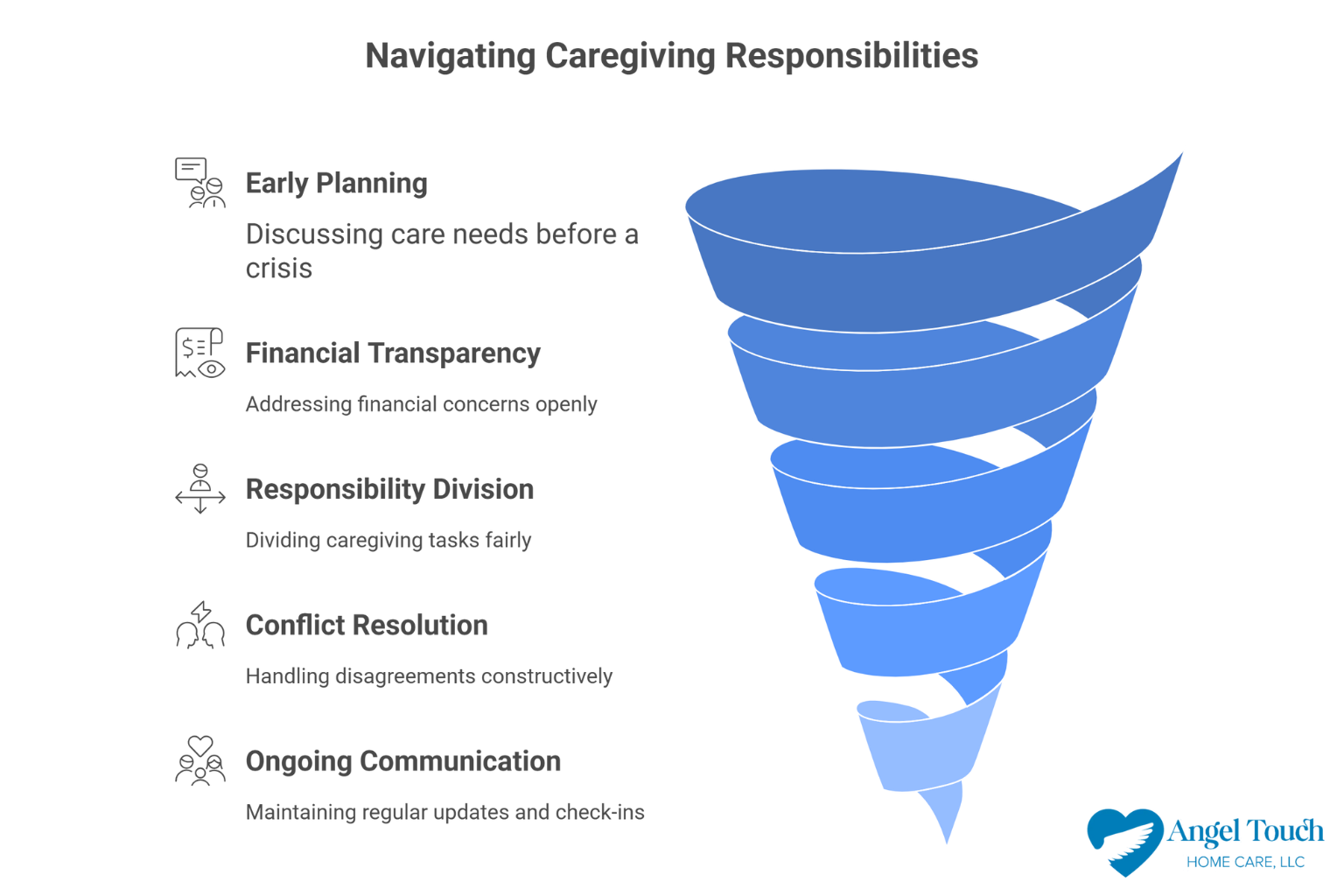
How Can Families Navigate Conversations about Caregiving Responsibilities?

Discussing caregiving responsibilities with family members can feel overwhelming, but these conversations are essential for ensuring your senior loved one receives the best possible care. Open communication can prevent misunderstandings and create a supportive environment for everyone involved. The key is approaching these discussions with empathy, preparation, and clear expectations.

Start the Conversation Early

Beginning caregiving discussions before a crisis occurs gives your family time to process emotions and make thoughtful decisions. Schedule a family meeting when everyone can attend, either in person or virtually. Choose a neutral, comfortable setting where all voices can be heard equally.

Consider these conversation starters:

  • “I’ve been thinking about Mom’s future care needs. Can we discuss our options?”
  • “Dad mentioned he’s been having difficulty with daily tasks. How can we help?”
  • “I’d like to talk about what each of us can realistically contribute to caregiving.”

Early conversations allow families to explore preferences, research resources, and develop preliminary plans before urgent needs arise.

There are a variety of age-related health conditions that can make it more challenging for seniors to live independently. However, many of the challenges they face can be easier to address if their families opt for professional senior home care. You can rely on expertly trained caregivers to keep your loved one safe and comfortable while aging in place.

How Can Families Navigate Conversations about Caregiving Responsibilities

Address Financial Concerns Openly

Money matters often create the most tension in caregiving discussions. Be transparent about costs associated with different care options, from in-home assistance to assisted living facilities. Gather concrete information about insurance coverage, Medicare benefits, and available community resources before the meeting.

Create a simple budget breakdown that includes:

  • Current monthly expenses for your loved one
  • Estimated costs for additional care services
  • Family members’ financial capacity to contribute
  • Available assets and insurance benefits

Remember that financial contributions aren’t the only valuable support. Some family members may offer time, research assistance, or emotional support instead of monetary help.

Divide Responsibilities Fairly

Caregiving involves numerous tasks beyond hands-on care. Create a comprehensive list of responsibilities and discuss each family member’s availability, skills, and limitations. Geographic distance, work schedules, and personal circumstances all affect what someone can realistically handle.

Consider dividing these key areas:

  • Medical appointments and health management
  • Financial oversight and bill paying
  • Daily living assistance (meals, transportation, housekeeping)
  • Social and emotional support
  • Emergency contact duties

Document agreed-upon responsibilities in writing. This prevents confusion later and helps everyone stay accountable to their commitments.

Your family may get a great deal of benefit from having a professional caregiver help with everyday tasks. Families looking for top-rated Boca Raton homecare providers can reach out to Angel Touch Home Care. From respite care to live-in care, there are many ways we can make life easier for seniors and their loved ones.

Handle Resistance and Disagreements

Family members may have different opinions about care decisions, often rooted in denial, financial concerns, or competing priorities. Acknowledge these feelings without judgment and focus on finding common ground in wanting what’s best for your loved one.

When conflicts arise, try these approaches:

  • Listen actively to understand each person’s concerns.
  • Separate emotions from practical decision-making.
  • Suggest a trial period for contested arrangements.
  • Consider involving a neutral mediator or family counselor.
  • Take breaks when discussions become too heated.

Remember that unanimous agreement isn’t always possible. Sometimes the person receiving care or the primary caregiver may need to make final decisions.

Keep Communication Ongoing

Caregiving needs evolve over time, requiring regular family check-ins to reassess arrangements. Schedule monthly or quarterly meetings to discuss what’s working, what needs adjustment, and any new challenges that have emerged.

Establish clear communication channels between meetings:

  • Create a family group chat or email list for updates.
  • Use shared calendars for appointments and responsibilities.
  • Designate one person to communicate with healthcare providers.
  • Set up emergency contact protocols.

Regular communication prevents small issues from becoming major problems and ensures everyone stays informed about changes in your loved one’s condition or needs.

Caring for a senior loved one can be rewarding, but it can also be overwhelming for family caregivers who have other responsibilities they need to focus on. For these families, the perfect solution is respite care. Boca Raton families rely on our caregivers whenever they need time to rest, work, run errands, and even go on vacation. If your loved one needs professional care, Angel Touch Home Care is here to help. Call one of our dedicated Care Managers today to learn about the high quality of our in-home care services.

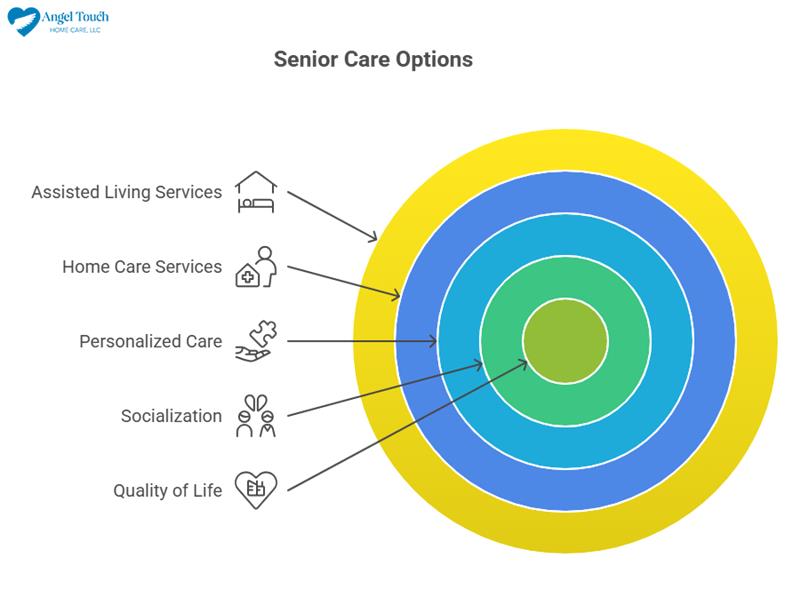
Home Care vs. Assisted Living: How to Choose the Right Option for Your Loved One

Deciding between home care and assisted living is a major decision for seniors and their families. Each option has unique benefits and challenges, and understanding which is best depends on individual needs, preferences, and circumstances. Below, we’ll explore the key factors to consider when making this choice.

Home Care

Home care involves professional caregivers providing support to seniors in the comfort of their own homes. This option allows individuals to remain in familiar surroundings while receiving assistance with activities of daily living (ADLs) such as bathing, dressing, and meal preparation.

Benefits of home care

  • Comfort and familiarity – Seniors can remain in their homes, surrounded by personal belongings and memories.
  • Personalized care – Care plans are tailored to the individual’s specific needs.
  • Family engagement – Family members can stay closely involved in the senior’s care.

However, home care may require modifications to the home to ensure safety (e.g., installing grab bars or ramps) and could become costly over time if 24/7 care is needed.

Many seniors prefer aging in place over moving to assisted living facilities. If your senior loved one needs assistance to remain safe and comfortable while living at home, reach out to Angel Touch Home Care, a leading home care service agency. Our dedicated in-home caregivers can assist with meal prep, bathing and grooming, exercise, medication reminders, and many other important tasks.

Home Care vs. Assisted Living: How to Choose the Right Option for Your Loved One

Assisted Living

Assisted living communities provide housing, meals, and a range of support services in a social, communal environment. Residents typically live in private or semi-private apartments and have access to amenities such as dining halls, recreational activities, and staff assistance.

Benefits of assisted living

  • Access to socialization – Seniors can form connections with peers through group activities and shared meals.
  • On-site services – Medical assistance, housekeeping, and meal preparation are often included.
  • Peace of mind – Around-the-clock staff availability ensures immediate help in case of emergencies.

Assisted living may not suit seniors who prefer complete independence or find transitioning to a communal setting challenging.

Living independently is important for seniors who want to maintain a high quality of life. For some, this simply means receiving help with tasks that have become more challenging to manage over time. Even when families have the best intentions, they may not have the time to provide the care their elderly loved ones need and deserve. If your loved one needs help for a few hours a day or a few days a week, reach out to Angel Touch Home Care, a trusted provider of respite care Boca Raton seniors can depend on.

Cost Considerations

Understanding the cost differences between home care and assisted living is crucial.

  • Home care costs – These vary based on the number of hours required each day or week. While hourly care can be more affordable, 24-hour care can quickly add up.
  • Assisted living costs – Assisted living typically comes with a monthly fee that covers accommodations, food, and services. While costs can seem high, they’re often predictable, making budgeting easier.

Families should weigh both up-front and long-term costs as well as any available financial assistance when deciding.

Level of Care Needed

Another major factor is the level of care required.

  • Minimal assistance – For seniors who only need help once in a while, home care with a flexible schedule could be ideal.
  • Moderate to intensive assistance – Seniors requiring frequent or specialized medical care may benefit more from assisted living, as trained staff and facilities are readily available.
  • Memory care – For individuals with Alzheimer’s or dementia, some assisted living facilities provide dedicated memory care units designed to meet their specific needs.

Assess current and future care requirements to make an informed decision.

Lifestyle Preferences

Seniors’ personal preferences play a significant role in choosing between home care and assisted living. 

  • Home care may appeal to individuals who value independence and privacy.
  • Assisted living may be ideal for those who enjoy being part of an active social community with planned activities and a shared living experience.

Discussing these preferences with family members and professionals can ensure the chosen option aligns with the senior’s desired lifestyle.

The type of elderly home care Boca Raton seniors need can vary. Some need assistance a few hours a day, while others require more extensive around-the-clock assistance. At Angel Touch Home Care, we tailor our care plans based on each senior’s individual care needs, and the plans can be adjusted at any time. We are a trusted provider of respite and 24-hour care. If you need professional care for your loved one, reach out to one of our Care Managers today.

Real-Life Success Stories: How At-Home Care Empowers Aging Adults to Thrive

Home care has transformed the lives of countless seniors by providing personalized assistance while enabling them to maintain their independence. From overcoming health challenges to rediscovering hobbies, these stories showcase how home care can empower seniors to lead fulfilling lives. Below are some inspiring examples of seniors thriving with the support of home care services.

Regaining Independence after Surgery

For Rose, an 82-year-old grandmother who underwent hip replacement surgery, maintaining her independence was a top priority. Initially, the surgery left her with mobility challenges that made everyday tasks difficult. That’s where her home care provider stepped in.

Through a tailored recovery plan, Rose received assistance with physical therapy exercises, meal preparation, and household chores. The caregiver also helped her build confidence by encouraging her to perform small tasks independently as her recovery progressed. Over time, Rose regained her mobility, and today she enjoys daily walks around her neighborhood and feels like she’s “back on her feet, literally and figuratively.”

Managing Chronic Illness with Compassion

John, 77, lives with Parkinson’s disease, a condition that made living alone increasingly challenging. Before engaging home care services, he often faced difficulty managing medications and completing daily activities. His family noticed his quality of life was declining, so they decided to seek professional help.

The home care team provided John with consistent support, ensuring medications were taken on schedule and helping him with grooming and meal preparation. They also introduced adaptive equipment to make his daily routine smoother. Beyond the physical assistance, John’s caregivers became a source of emotional support, discussing his passions and engaging him in conversations that uplifted his spirit. His family now reports that his quality of life is significantly enhanced, and he faces each day with optimism.

Rediscovering Joy in Hobbies

After retiring, 79-year-old Clara found herself withdrawing from social activities and losing interest in the hobbies she once loved, such as gardening. She felt isolated and unsure of how to reconnect with her passions.

A home care professional not only provided her with companionship but also encouraged her to get back into her garden. Together, they created a plan to refurbish Clara’s outdoor space, planting new flowers and vegetables. The caregiver supported Clara with the physical labor involved and celebrated her progress. Now, Clara beams with pride when she admires her blooming garden, which has become a source of joy and relaxation for her.

For families living in Boca Raton, respite care can be a wonderful solution when their aging loved ones need companionship and socialization a few hours a week or just need minor assistance with daily household tasks. At Angel Touch Home Care, we thrive on helping seniors maintain their independence while living in the comfort of home.

Enhancing Nutrition and Health

After her husband’s passing, 81-year-old Margaret began neglecting her diet, subsisting on quick processed meals that left her feeling fatigued and unwell. Her family grew concerned and sought the help of a home care service specializing in nutritional support.

Margaret’s caregiver worked with her to develop a balanced meal plan that included fresh ingredients and her favorite dishes. They spent time cooking together, turning meal prep into a delightful shared activity. Six months later, Margaret reported feeling healthier and more energetic, finally able to enjoy visits with her grandchildren without feeling drained.

When considering homecare services, Boca Raton, FL, families should make sure their senior loved ones have the resources they need to maintain their independence and remain healthy. Trusted in-home care professionals can assist seniors with daily tasks like cooking, bathing, and exercise, and they can also encourage them to focus on healthier lifestyle habits.

Strengthening Family Relationships through Home Care

For 85-year-old Robert, the challenge wasn’t just managing daily tasks but also maintaining strong relationships with his family. His adult children, who have full-time jobs and families of their own, had difficulty balancing caregiving responsibilities with their everyday lives. This led to strained relationships and mounting stress for everyone involved.

With the help of a home care provider, Robert’s daily needs were met professionally and compassionately, giving his family peace of mind. Free from the stress of caregiving, his children found it easier to spend quality time with him, focusing on shared activities and strengthening their bond. Today, Robert cherishes weekly family dinners where he feels genuinely connected with his loved ones. 

When searching for reliable elder care agencies, families want to know their senior loved ones will be well taken care of. At Angel Touch Home Care, our expertly trained caregivers are available around the clock to assist with tasks around the house, arrange transportation to medical appointments and social events, and much more. To learn more about our premier in-home care plans, call us today.


Navigating Tough Caregiving Conversations with Family

Caregiving can bring layers of challenges, especially when it’s time to discuss responsibilities, expectations, or changes with family members or loved ones. These conversations are rarely easy, but handling them thoughtfully can significantly impact the caregiving process and strengthen relationships. Here are strategies to help you approach these talks with empathy, clarity, and confidence.

Prepare before the Conversation

Before initiating any difficult conversation about caregiving, preparation is key. Reflect on what you want to communicate and the specific outcomes you hope to achieve.

  • Assess the situation – Identify the key topics that need addressing, such as financial responsibilities, caregiving priorities, or delegation of tasks.
  • Gather information – If the conversation involves medical or financial matters, ensure you have all the necessary details or documents at hand.
  • Anticipate reactions – Consider how others might respond to sensitive topics and prepare for potential objections or emotional reactions.

This groundwork allows you to approach the conversation with clarity and reduces misunderstandings.

There are a variety of age-related health conditions that can make it more challenging for seniors to live independently. However, many of the challenges they face can be easier to manage if their families opt for professional homecare. Boca Raton families can rely on expertly trained caregivers to keep their loved ones safe and comfortable while aging in place.

Choose the Right Time & Place

Timing and setting play a significant role in how well a conversation goes. Avoid starting such discussions during stressful times or in environments that lack privacy. 

  • Pick a neutral location – Choose a space where all parties feel comfortable, such as a quiet home setting or even a virtual call for those at a distance.
  • Reduce distractions – Make sure the setting is free from interruptions like phones, television, or work-related distractions.
  • Allow ample time – Rushed conversations can lead to frustration or miscommunication. Set aside plenty of time so everyone feels heard.

A calm and unhurried atmosphere can make all the difference in fostering productive dialogue.

Frame the Conversation with Empathy

The topic of caregiving often involves high emotions, guilt, or perceived criticism. It’s important to approach others with empathy and avoid making them feel blamed or cornered.

  • Start with understanding – Begin the conversation by acknowledging the challenges everyone might be facing and expressing gratitude for their efforts.
  • Use “I” statements – Focus on language that reflects your feelings rather than accusing others. For instance, say “I’ve been feeling overwhelmed and could use help” instead of “You’re not doing your share.”
  • Be patient – Understand that family members or loved ones may need time to process what you’re sharing, particularly if they’re hearing it for the first time.

Empathy sets the tone for honest and respectful communication, making difficult subjects easier to discuss.

Clarify Roles & Responsibilities

A major source of conflict in caregiving can stem from unclear roles or expectations. Use the conversation as an opportunity to define who will take on which responsibilities.

  • Break down tasks – Explain tasks like grocery shopping, medication organization, or driving to appointments, and discuss who might best handle each based on availability or strengths.
  • Agree on boundaries – Set clear boundaries to avoid feelings of burnout. For instance, establish specific days for caregiving duties or times when someone can step away.
  • Be open to compromise – Flexibility is vital. For example, if someone can’t take on daily tasks, explore whether they can contribute financially or help occasionally.

Clear communication ensures everyone understands their roles, minimizing future frustrations.

Your family may get a great deal of benefit from having a professional caregiver help with everyday tasks. Families looking for top-rated at-home care providers can reach out to Angel Touch Home Care. From respite care to live-in care, there are many ways we can make life easier for seniors and their loved ones.

Bring in a Trusted Mediator if Needed

When conversations about caregiving become tense, it can be beneficial to involve a neutral third party to guide the discussion.

  • Family therapist – A professional therapist can provide a safe space to address emotional concerns while keeping the conversation focused on solutions.
  • Elder care specialist – A specialist can offer expert advice on care plans and financial management, reducing the need for negotiation among family members.
  • Trusted friend or support group – If cost or scheduling is a concern, a trusted friend or fellow caregiver can also act as a calming presence.

A mediator can ensure all voices are heard while keeping discussions moving in a healthy direction.

Caring for a senior loved one can be rewarding, but it can also be overwhelming for family caregivers who have other responsibilities they need to focus on. For these families, the perfect solution is respite care. Boca Raton families rely on our caregivers whenever they need time to rest, work, run errands, and even go on vacation. For compassionate, reliable in-home care, trust the experienced professionals from Align Home Care Services. Reach out to one of our dedicated Care Managers today to learn about the high quality of our in-home care services. 

Empowering Older Adults: Supporting Independence with Home Care

Independence is vital for maintaining dignity and quality of life for seniors. By providing personalized and thoughtful support through in-home care, you can empower your aging loved one to live confidently at home while meeting his or her unique needs.

Foster a Safe & Comfortable Environment

Creating a safe home environment is essential for supporting senior independence. Evaluate your loved one’s living space for potential hazards, such as loose rugs, poor lighting, or cluttered pathways that could lead to falls. Install modifications like grab bars in bathrooms, nonslip mats, and ramps where needed. Additionally, organize frequently used items within easy reach to reduce the need for excessive bending or stretching. Secure environments foster confidence and reassure seniors they can move around their homes freely.

Promote Physical Health & Mobility

Physical health plays a critical role in maintaining independence. Encourage regular movement tailored to your loved one’s abilities, whether it’s light exercises, stretching, or short daily walks. Collaborate with healthcare providers to design a fitness routine that increases strength, balance, and flexibility. For seniors with mobility challenges, in-home care providers can assist with physical therapy exercises or help them stay active in ways that align with their preferences. By focusing on physical wellbeing, seniors can maintain their ability to perform daily tasks on their own.

In-home care experts are available to provide high-quality care to seniors on an as-needed basis. From assistance with mobility and exercise to arranging transportation to the doctor’s office and social events, there are a variety of ways professional caregivers can help your aging loved one continue to live independently.

Encourage Active Participation in Daily Life

Rather than completing tasks for your loved one, involve him or her in activities to the extent his or her capabilities allow. Whether it’s preparing a meal, folding laundry, or tending to plants in the garden, participation fosters a sense of purpose and autonomy. Emphasize guidance and collaboration rather than taking over completely. Celebrating your loved one’s ability to accomplish tasks, however small, can boost his or her confidence and instill a sense of empowerment.

Address Emotional & Social Needs

Independence isn’t just physical—it’s emotional and social as well. Many seniors face isolation, which can lead to feelings of loneliness or depression. Encourage regular interaction with friends, family, or community groups. Video calls, phone check-ins, or visits from family or friends can significantly boost your loved one’s morale. Additionally, in-home caregivers can provide companionship and emotional support, helping your loved one feel valued and connected. Sometimes, just having someone to share a conversation or play a game with can enhance the sense of independence.

For families living in Boca Raton, respite care can be a wonderful solution when their aging loved ones need companionship and socialization a few hours a week or just need minor assistance with daily household tasks. At Angel Touch Home Care, we thrive on helping seniors maintain their independence while living in the comfort of home.

Offer Personalized Care Plans

Tailored in-home care plans allow seniors to receive the precise support they need while retaining control over their lives. Assess your loved one’s needs, preferences, and health conditions to create a schedule that aligns with his or her lifestyle. Whether your loved one needs assistance with medication reminders, light housekeeping, meal preparation, or transportation to appointments, the right care plan ensures he or she can maintain a self-directed routine. Personalized care demonstrates respect for your loved one’s independence while offering the structure and support he or she requires.

Not every senior has the same care needs, which means they don’t all need the same type of senior care. Boca Raton families can rely on Angel Touch Home Care to provide individualized care plans to meet their elderly loved ones’ unique care needs. Our caregivers help seniors focus on healthy lifestyle habits such as eating nutritious foods, exercising regularly, and maintaining strong social ties, and we offer mentally stimulating activities that can boost cognitive health. To learn about our high-quality in-home care plans, call us today.