

Assessing Pain in Noncommunicative Individuals: A Priority in Dementia Care

Assessing pain in noncommunicative individuals with dementia relies on observing behavioral changes, facial expressions, and body language to identify physical discomfort. Because these individuals cannot express themselves verbally, caregivers must remain highly vigilant to identify subtle physical cues. Recognizing these nonverbal signs ensures physical distress is addressed promptly and compassionately.

What Are the Common Facial Expressions Indicating Pain?

Facial cues are often the most immediate indicator an individual is experiencing discomfort. Caregivers should look for specific changes in the person’s resting expression.

  • Frowning, grimacing, or a deeply furrowed brow
  • Tightly closed or squeezed eyes
  • Rapid blinking or a distorted, tense expression

One of the most challenging tasks of helping an elderly relative age in place safely and comfortably in southeastern Florida is researching agencies that provide the best Boca Raton senior care. Families can turn to Angel Touch Home Care for reliable, high-quality in-home care for aging adults. We offer 24-hour care for seniors who require extensive assistance, and we also offer respite care for family caregivers who need a break from their caregiving duties.

How Does Body Language Reveal Hidden Discomfort?

Beyond the face, an individual’s posture and physical movements provide significant insight into his or her physical state. Recognizing rigid or unusual movements can help you pinpoint the source of distress.

  • Fidgeting, pacing, or shifting weight constantly
  • Curling into a fetal position or physically guarding a specific body part
  • Clenched fists or an unusually stiff, rigid posture

What Vocalizations Suggest a Person Is Hurting?

Even when traditional speech is lost, sounds can communicate a great deal about a person’s physical wellbeing. Listening closely to the tone and frequency of noises is essential for daily monitoring.

  • Groaning, moaning, or grunting during movement or daily tasks
  • Crying or whimpering without a clear emotional trigger
  • Heavy labored breathing or sudden sharp gasping

A highly trained caregiver with experience in caring for seniors with dementia can be a fantastic resource for family members. For many seniors in southeastern Florida, Boca Raton 24-hour care is an essential component of aging in place safely and comfortably. However, it’s important for them to have caregivers they can trust and rely on. At Angel Touch Home Care, we extensively screen all of our live-in and 24-hour caregivers and only hire those who have experience in the senior home care industry. Our strict requirements ensure seniors can remain in the comfort of home with a reduced risk of injury or serious illness.

Why Do Behavioral Changes Signal Unspoken Pain?

Sudden shifts in mood or daily habits often stem from underlying physical distress rather than the cognitive decline itself. Observing these deviations is a key part of effective and empathetic caregiving.

  • Increased agitation, restlessness, or sudden bouts of aggression
  • Refusing to eat or experiencing severe disruptions in normal sleep patterns
  • Withdrawing from social interactions or abandoning favorite daily activities

Even when families have the best intentions, caring for a senior loved one with dementia can be challenging. Whether you need respite from your caregiving duties or your aging loved one needs Boca Raton overnight care, Angel Touch Home Care can meet your family’s care needs. Our dedicated caregivers are available around the clock to arrange transportation to doctor’s appointments, ensure seniors take their prescribed medications, and help with a variety of tasks in and outside the home. To learn about our quality-assured services, give us a call today. 

Frequently Asked Questions

How often should caregivers check for nonverbal signs of pain?
+

Caregivers should observe the senior continuously throughout the day, paying special attention during movement or daily care routines. Consistent monitoring helps you catch subtle changes in behavior or expression early.

Can a person with dementia experience pain without showing any signs?
+

Yes, some individuals may have a high tolerance or mask their discomfort entirely due to cognitive changes. This makes it crucial to maintain calm environments and watch for even the smallest deviations in their baseline behavior.

What’s the best way to respond when pain is suspected?
+

The immediate response should involve providing comfort, adjusting the senior’s physical position, and removing any environmental stressors. Gentle reassurance and soothing tones can also reduce overall distress and agitation.

Do environmental factors influence how pain is expressed?
+

Loud noises, bright lights, or a chaotic room can increase agitation and make pain signals much harder to interpret. Creating a calm, quiet space allows caregivers to assess the individual’s physical state more accurately.
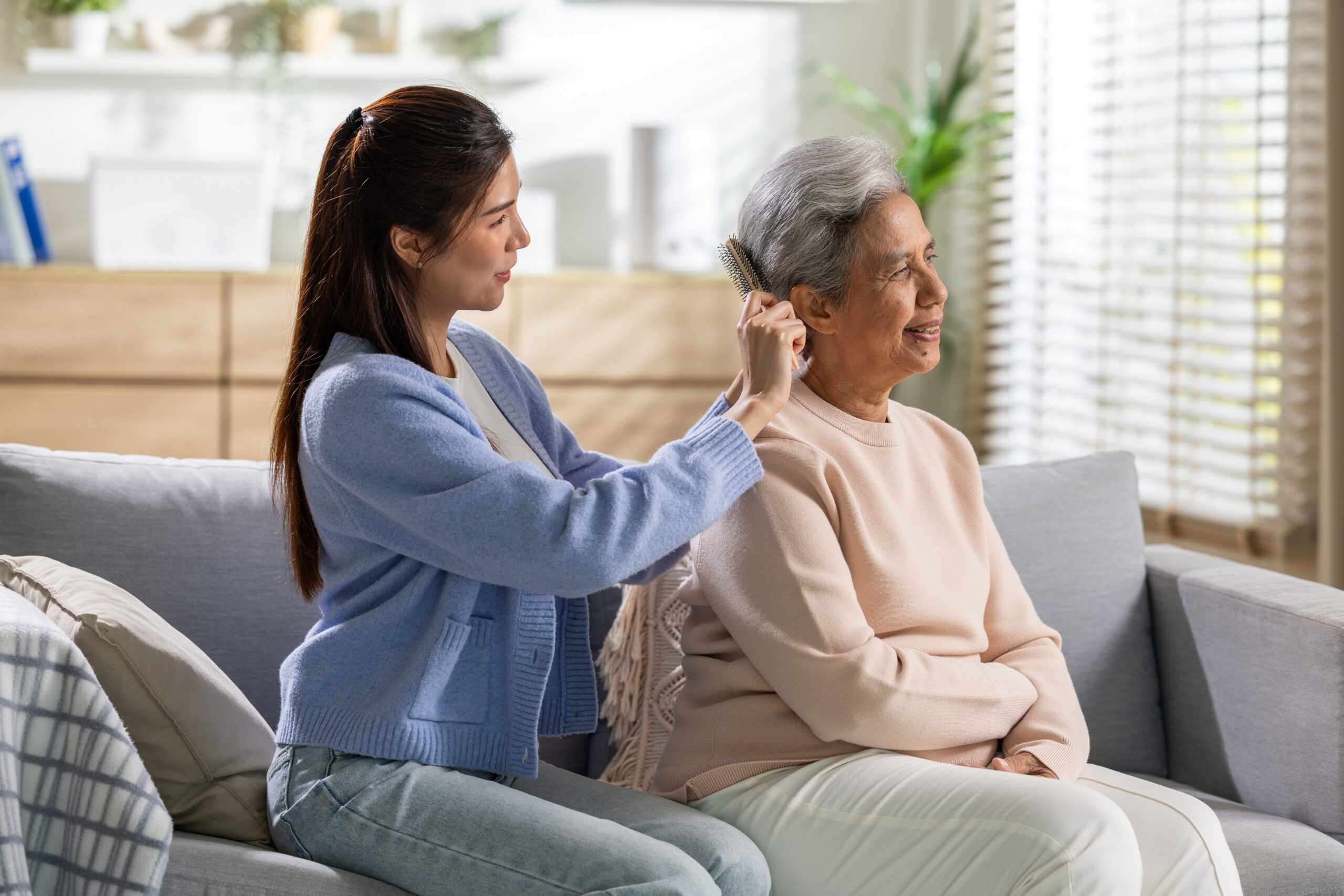
What Are the Benefits of Home Care for Older Adults with Vision or Hearing Loss?

In-home care for seniors with vision or hearing loss provides essential daily living support, enhances safety, and fosters independence within a familiar environment. By receiving personalized help with household tasks, mobility, and communication, older adults can maintain their quality of life without the stress of relocating. This tailored approach ensures they remain comfortable, secure, and actively connected to their communities.

How Does Familiarity Enhance Daily Living?

Remaining in a known environment helps seniors with sensory loss navigate their homes safely by relying on spatial memory and established routines. Caregivers help seniors maintain this consistency by keeping essential items in specific, easy-to-reach places and organizing living areas to reduce tripping hazards, which drastically minimizes frustration and the risk of falls.

Many seniors prefer aging in place over moving to assisted living facilities. If your senior loved one needs assistance to remain safe and comfortable while living at home, reach out to Angel Touch Home Care, a leading Boca Raton elder care agency. Our dedicated in-home caregivers can assist with meal prep, bathing and grooming, exercise, medication reminders, and many other important tasks.

What Types of Personal Care Are Provided?

In-home caregivers assist with a variety of everyday routines that can become increasingly difficult due to impaired sight or hearing. Common support tasks include:

  • Assisting with grooming, bathing, and dressing
  • Preparing nutritious meals and helping with eating
  • Performing light housekeeping and laundry
  • Running basic errands

How Can Caregivers Facilitate Better Communication?

Professionals trained in sensory support use adaptive techniques to help seniors clearly interact with family, friends, and service providers. They can assist with reading letters, operating amplified telephones, guiding the use of text-to-speech devices, and providing clear face-to-face vocalization so seniors never feel isolated from the world around them.

Why Is Emotional Companionship So Important?

Experiencing a decrease in sight or hearing often leads to feelings of loneliness, frustration, and withdrawal from social activities. Having a dedicated caregiver provides meaningful daily interaction, emotional reassurance, and encouragement to participate in safe, enjoyable hobbies, all of which are vital for maintaining strong mental health.

For some families in southeastern Florida, caring for senior loved ones can be overwhelming at times. Luckily, they can rely on professional respite and overnight home care in and near Boca Raton. Angel Touch Home Care is a trusted name in respite and hourly care. Our caregivers are available around the clock to assist seniors with bathing, arranging transportation, medication reminders, exercise, and much more, allowing families the time they need to focus on other important responsibilities or just take a break. If you need professional home care for your loved one, our Care Managers are just a phone call away. Reach out to Angel Touch Home Care today.

Frequently Asked Questions

What specific household adjustments can make a home safer for sensory loss?
+

Improving lighting, removing loose rugs, and using contrasting colors on step edges can significantly enhance navigation for those with low vision. Caregivers often maintain these basic adjustments to ensure a consistently safe living space.

Vision and hearing impairments can have a major effect on the ability to perform everyday tasks, but help is just a phone call away. Some seniors only require help with a few daily tasks so they can maintain their independence. However, those living with serious illnesses may need more extensive assistance. Luckily, there is professional 24-hour home care Boca Raton seniors can rely on. Home can be a safer and more comfortable place for your loved one to live with the help of an expertly trained and dedicated live-in caregiver.

Are in-home caregivers trained to work with deaf or blind seniors?
+

Yes, many care agencies provide specialized staff who understand how to effectively communicate and support the unique physical and emotional needs of individuals with severe sensory impairments.

How does in-home support differ from an assisted living facility?
+

In-home support allows seniors to remain in their own homes while receiving one-on-one assistance tailored specifically to their personal routines and comfort levels.

Can caregivers help with transportation and community outings?
+

Absolutely, caregivers can drive seniors to the grocery store, social events, or family gatherings, providing safe guidance and physical support while navigating unfamiliar environments.