
Sleep problems affect up to 70 percent of people with dementia, creating significant challenges for both dementia patients and their caregivers. These disorders can accelerate cognitive decline and reduce quality of life, making it essential to understand their causes and management strategies.
The Connection between Dementia and Sleep
Dementia fundamentally alters brain structure and function, directly impacting the regions responsible for regulating sleep-wake cycles. The disease damages the suprachiasmatic nucleus, which serves as the body’s internal clock, leading to disrupted circadian rhythms.
As dementia progresses, individuals often experience:
- Difficulty falling asleep or staying asleep
- Increased daytime sleepiness and frequent napping
- Fragmented sleep patterns with multiple awakenings
- Reversal of day-night sleep cycles
- Episodes of confusion or agitation during nighttime hours
This disruption occurs because dementia affects the production of melatonin and other sleep-regulating hormones while also interfering with the brain’s ability to process environmental cues like light and darkness.
Caring for a loved one with dementia can be challenging, but compassionate help is available. If your senior loved one has been diagnosed with a serious condition and needs help with tasks like meal prep, arranging transportation, bathing, and grooming, reach out to Angel Touch Home Care, a leading provider of elderly home care families can trust.
Common Sleep Disorders in Dementia
Several specific sleep disorders frequently occur alongside dementia, each presenting unique challenges for care.
Sleep apnea is particularly common among dementia patients, with breathing interruptions during sleep leading to poor sleep quality and increased daytime confusion. The condition often goes undiagnosed because symptoms may be attributed to the dementia itself.
REM sleep behavior disorder causes individuals to physically act out their dreams, potentially leading to injury. This condition can precede other dementia symptoms by several years and affects up to 80 percent of those with Lewy body dementia.
Restless legs syndrome creates uncomfortable sensations in the legs, compelling individuals to move them constantly. This condition significantly impacts sleep initiation and maintenance, contributing to overall sleep fragmentation.
When you understand the causes of your loved one’s sleep difficulties, you can help him or her sleep better and enhance his or her overall wellbeing. Seniors who want to remain healthy as they age can benefit in a variety of ways when they receive professional homecare services. Boca Raton Angel Touch Home Care is here to help your loved one accomplish daily tasks, prevent illness, and focus on living a healthier and more fulfilling life.
Sundown Syndrome and Its Impact on Sleep
Sundown syndrome affects approximately 20 percent of dementia patients, causing increased agitation, confusion, and restlessness during late afternoon and evening hours. This phenomenon directly interferes with normal bedtime routines and sleep preparation.
The syndrome manifests through various behaviors:
- Increased anxiety and irritability as daylight fades
- Wandering or pacing during evening hours
- Resistance to bedtime routines and caregiving activities
- Heightened confusion about time and place
- Physical aggression or verbal outbursts
These symptoms create a challenging cycle where evening agitation prevents restful sleep, leading to increased daytime fatigue and more pronounced sundown syndrome the following evening.
Environmental and Medication Factors
The sleep environment plays a crucial role in managing sleep disorders among dementia patients. Factors that commonly disrupt sleep include:
- Excessive noise from medical equipment or facility activities
- Uncomfortable room temperatures or inadequate ventilation
- Poor lighting conditions that confuse circadian rhythms
- Uncomfortable bedding or unfamiliar sleeping arrangements
- Frequent interruptions for medical care or medication administration
Many medications prescribed for dementia symptoms can also impact sleep quality. Cholinesterase inhibitors may cause insomnia when taken in the evening, while antipsychotic medications can lead to excessive daytime sedation. Pain medications, diuretics, and other common prescriptions for elderly patients frequently contribute to sleep disruption.
Management Strategies for Better Sleep
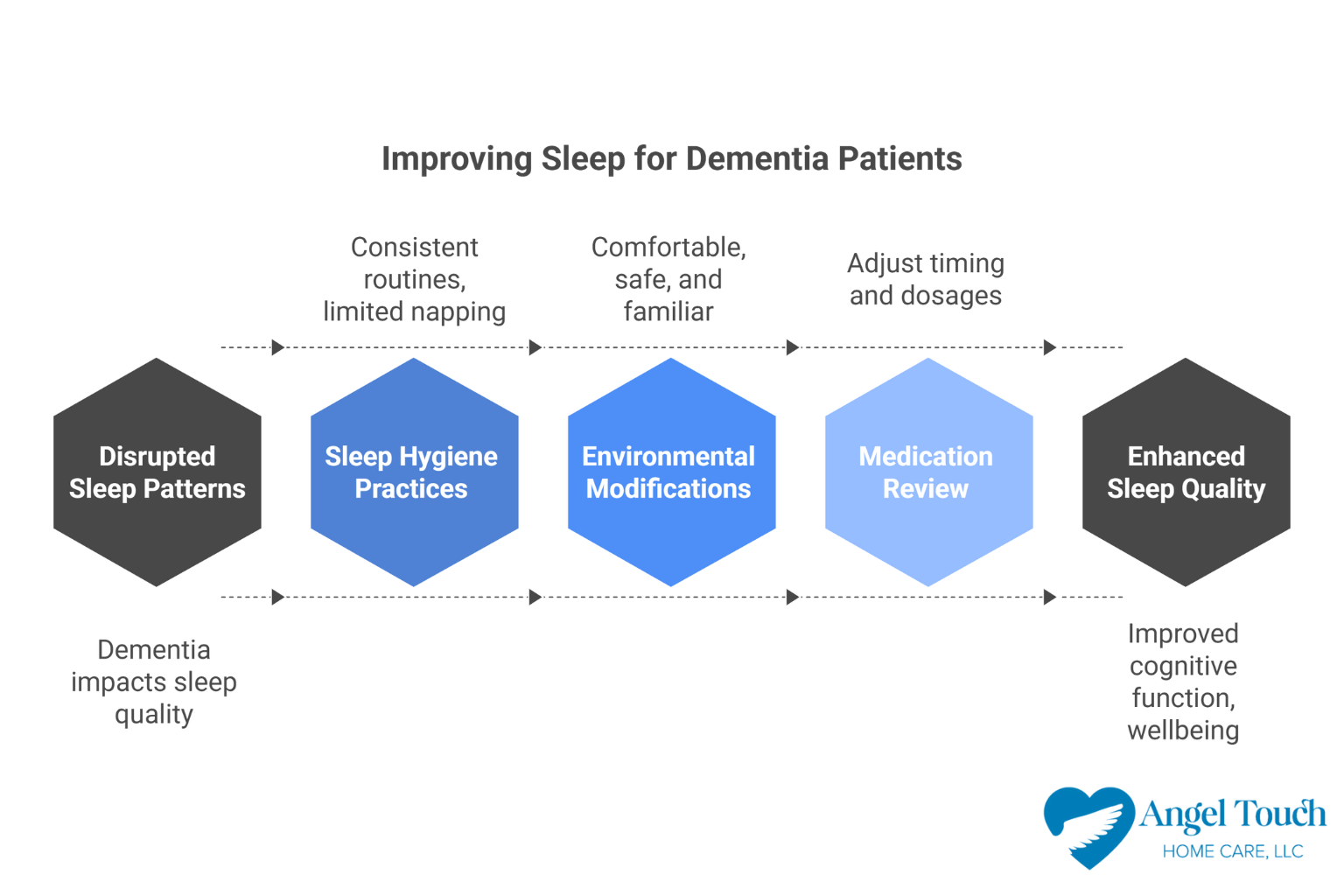
Effective management of sleep disorders in dementia requires a comprehensive approach combining behavioral interventions, environmental modifications, and careful medication organization.
Sleep hygiene practices form the foundation of treatment:
- Maintaining consistent bedtime and wake-up schedules
- Creating calming bedtime routines with familiar activities
- Limiting daytime napping to 30 minutes or less
- Ensuring adequate exposure to bright light during morning hours
- Reducing fluid intake before bedtime to minimize bathroom trips
Environmental modifications can significantly enhance sleep quality by creating optimal conditions for rest. This includes maintaining comfortable room temperatures, reducing noise levels, using nightlights to prevent falls, and ensuring the bedroom environment feels safe and familiar.
Healthcare providers should also review all medications regularly, adjusting timing and dosages to minimize sleep disruption while maintaining therapeutic benefits for dementia symptoms.
Certain age-related conditions can make it more challenging for seniors to age in place safely and comfortably, but Boca Raton live-in care experts are available around the clock to help seniors manage their health. Whether your loved one is living with cognitive decline or recovering from a stroke, you can trust the professional live-in caregivers from Angel Touch Home Care to enhance his or her quality of life. Call one of our dedicated Care Managers today to learn about the high quality of our in-home care services.