
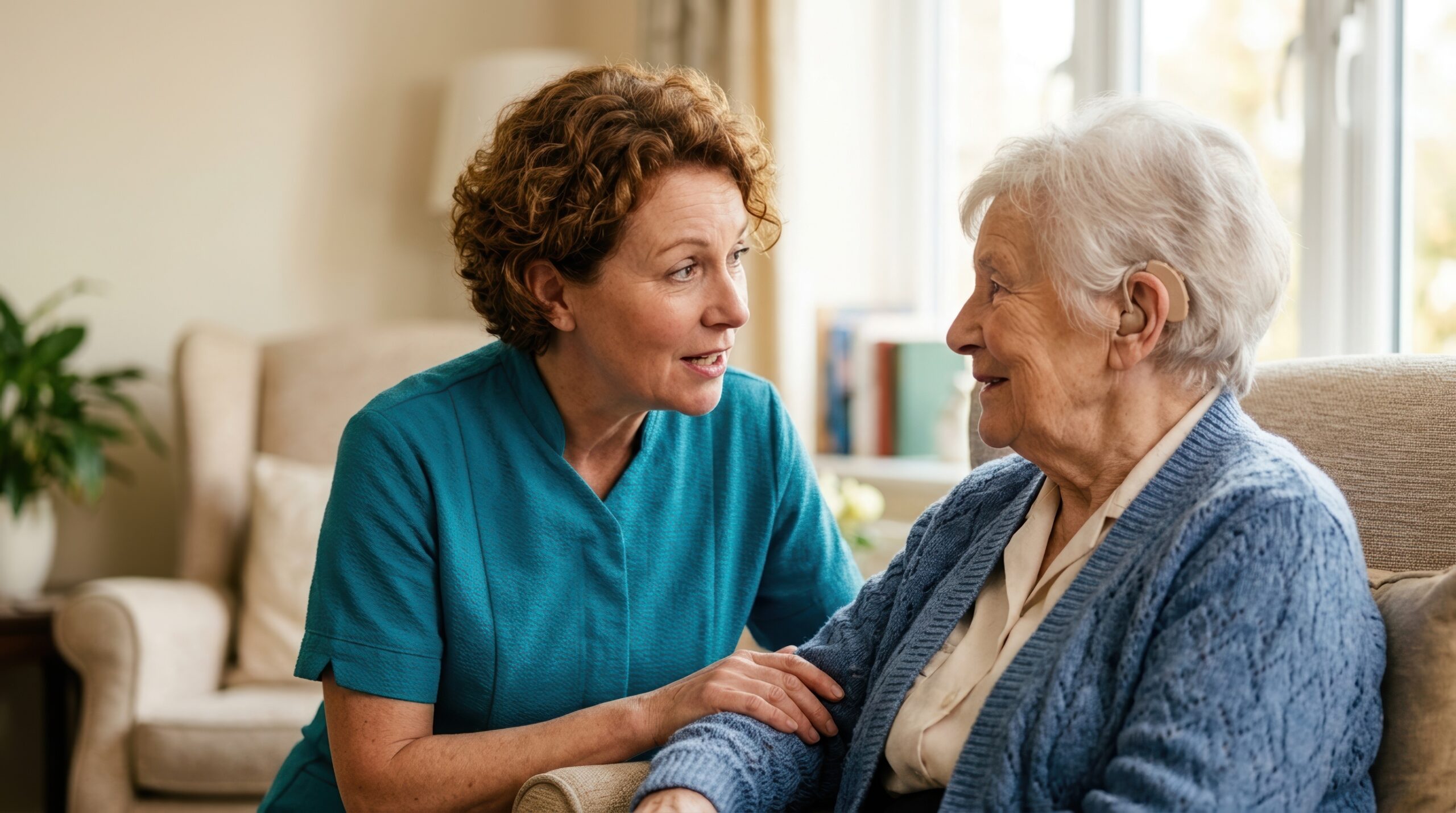
Understanding the Progression of Symptoms in Home-Based Dementia Care

Dementia symptoms typically progress through early, middle, and late stages, each bringing new cognitive and behavioral changes that require increasingly attentive home-based care. Recognizing these stages helps caregivers respond proactively and provide the right level of support at the right time.

Dementia is a progressive condition, meaning symptoms gradually worsen over time. Understanding how these symptoms evolve can help home caregivers stay prepared and provide consistent, compassionate support throughout each stage.

What Are the Early Signs of Dementia to Watch for at Home?

In the early stage, symptoms are often subtle and easy to dismiss. Key signs include:

  • Frequent forgetfulness, especially of recent events or conversations
  • Difficulty finding the right words during conversation
  • Getting lost in familiar places
  • Trouble managing finances or following a schedule
  • Mood changes, such as increased anxiety or withdrawal from social activities

Aging in place can present a few challenges for seniors living with dementia. However, with professional overnight home care that offers Boca Raton families peace of mind, they can still live independently at home. Families can rely on Assisting Hands Home Care to provide their elderly loved ones with mental and social stimulation, timely medication reminders, assistance with meal prep, and much more. Our caregivers can help your loved one stay mentally engaged and delay the progression of the disease.

How Do Symptoms Change during the Middle Stage of Dementia?

The middle stage is typically the longest and most demanding phase for home caregivers. Symptoms become more pronounced and may include:

  • Significant memory loss, including forgetting names of close family members
  • Increased confusion about time, place, and personal history
  • Difficulty with daily tasks such as dressing, bathing, and preparing meals
  • Behavioral changes like agitation, restlessness, or repetitive actions
  • Disrupted sleep patterns and wandering

At this stage, caregivers often need to take a more hands-on role in daily routines.

What Behavioral Changes Are Common as Dementia Progresses?

Behavioral changes are one of the most challenging aspects of dementia progression. Common shifts include:

  • Sundowning – Increased confusion and agitation in the late afternoon or evening
  • Paranoia or suspicion – Accusing others of stealing or lying
  • Hallucinations – Seeing or hearing things that aren’t there
  • Emotional outbursts – Sudden crying, anger, or laughter without an obvious cause

These behaviors are neurological in origin, not intentional, which is an important distinction for caregivers to keep in mind.

How Does the Late Stage of Dementia Affect Daily Living at Home?

In the late stage, individuals with dementia require full-time around-the-clock care. Symptoms at this point typically include:

  • Loss of ability to communicate verbally
  • Inability to recognize close family members
  • Dependence on others for all personal care, including eating and mobility
  • Increased vulnerability to infections and physical decline
  • Extended periods of sleep or reduced responsiveness

Home care at this stage focuses primarily on comfort, dignity, and maintaining quality of life.

The type of homecare Boca Raton seniors need can vary. Some need assistance a few hours a day, while others require more extensive around-the-clock assistance. At Angel Touch Home Care, we tailor our care plans based on each senior’s individual care needs, and the plans can be adjusted at any time. We are a trusted provider of respite and 24-hour care, and we also offer specialized Alzheimer’s, dementia, Parkinson’s, and stroke care for seniors. 

What Strategies Help Home Caregivers Manage Symptom Progression?

Adapting the home environment and daily routines can make a meaningful difference at every stage:

  • Establish consistency – Regular routines reduce confusion and anxiety.
  • Simplify the environment – Remove clutter, install safety locks, and use clear labeling.
  • Communicate clearly – Use short, simple sentences and maintain eye contact.
  • Monitor changes – Keep a journal of symptoms to track progression over time.
  • Seek support – Caregiver support groups and respite care services can reduce burnout.

Aging in place can present a few unique challenges for older adults. Some only require part-time assistance with exercise or meal preparation, while others are living with serious illnesses and benefit more significantly from receiving the best available Boca Raton 24-hour home care. Angel Touch Home Care are leaders in the elderly in-home care industry for good reason. We tailor our care plans based on each senior’s individual needs, and our caregivers continue to receive updated training in senior care as new developments arise. To learn about our quality-assured services, give us a call today. 

Frequently Asked Questions

How quickly does dementia progress in someone receiving home-based care?
+

The rate of progression varies widely depending on the type of dementia and the individual, but most people live with dementia for 8 to 10 years after diagnosis.

What’s the most difficult stage of dementia for home caregivers to manage?
+

The middle stage is generally considered the most challenging, as behavioral changes and increased dependency place significant demands on caregivers while the person with dementia may still resist help.

Can a person with dementia remain at home throughout all stages of the condition?
+

Some families successfully care for loved ones at home through all stages, though this depends on available support, the home environment, and the caregivers’ capacity to manage increasing care needs.

How can I tell if dementia symptoms are getting worse?
+

Signs of progression include increased forgetfulness, greater difficulty with daily tasks, new behavioral changes, and more frequent episodes of confusion or disorientation compared to previous months.

Are there ways to slow the progression of dementia symptoms at home?
+

While there’s no cure for dementia, maintaining a structured routine, encouraging social engagement, ensuring adequate sleep, and providing a calm environment may support overall wellbeing and cognitive function.
Comprehensive Strategies for Maximizing Veteran Benefits for In-Home Caregiving

Veterans can maximize home caregiving benefits by leveraging VA programs such as the Program of Comprehensive Assistance for Family Caregivers (PCAFC), Aid and Attendance, and the Veterans Directed Care program—each offering financial support, respite care, and flexible services tailored to individual needs.

Veterans and their families have access to a robust set of benefits designed to support home caregiving, but navigating the system takes strategy.

What VA Programs Provide Financial Support for Home Caregiving?

Several VA programs offer direct financial assistance to veterans and their caregivers:

  • Program of Comprehensive Assistance for Family Caregivers (PCAFC) – Provides a monthly stipend to primary caregivers of eligible post-9/11 veterans along with health insurance and mental health support
  • Aid and Attendance (A&A) – A pension supplement for veterans who require help with daily activities such as bathing, dressing, or eating
  • Veterans Directed Care (VDC) – Allows veterans to self-direct a budget for home and community-based services, giving them control over who provides their care

How Can Veterans Determine Their Eligibility for Home Caregiving Benefits?

Eligibility varies by program, but key factors typically include:

  • Service-connected disability rating, which affects access to programs like PCAFC
  • Functional limitations, such as the inability to perform activities of daily living, which are central to Aid and Attendance eligibility
  • Service era, as some programs—like PCAFC—are currently limited to veterans who served on or after September 11th, 2001, though expansion efforts are ongoing

Veterans should contact their local VA facility or a VA-accredited claims agent to assess eligibility across all applicable programs.

Though you may be researching multiple agencies that provide Boca Raton home care service, Angel Touch Home Care has much to offer your family and your loved one. We are leaders in the home care industry, offering hourly and around-the-clock assistance from reliable, experienced caregivers. Trust Angel Touch Home Care to help your loved one enjoy a happier and healthier life in the comfort of home.

What Steps Can Veterans Take to Apply for and Access These Benefits?

A proactive approach significantly enhances outcomes:

  • Gather documentation early – Service records, disability ratings, and physician statements are commonly required.
  • Work with a Veterans Service Organization (VSO) – Organizations like the DAV, VFW, and American Legion provide free assistance navigating applications.
  • File for all applicable benefits simultaneously – Avoid delays in receiving support.
  • Request a VA needs assessment – Identify which home care services you qualify for under the VDC program.

How Can Caregivers Access Support beyond Financial Assistance?

Caregiving is demanding, and the VA offers resources specifically for family caregivers:

  • Respite care – Temporary relief services that allow primary caregivers to take breaks without interrupting the veteran’s care.
  • Caregiver Support Line – Available at 1-855-260-3274, this line connects caregivers with VA support coordinators.
  • PCAFC mental health services – Eligible caregivers enrolled in PCAFC can access counseling and mental health resources through the VA.
  • Peer support programs – The VA’s Program of General Caregiver Support Services (PGCSS) connects caregivers with peers who share similar experiences.

Even with financial assistance in place, families often find that balancing caregiving responsibilities with daily life can become overwhelming without additional support. Living independently is important for veterans who want to maintain a high quality of life. For some, this simply means receiving help with tasks that have become more challenging to manage over time. Even when families have the best intentions, they may not have the time to provide the care their loved ones need and deserve. If your loved one needs help for a few hours a day or a few days a week, reach out to Angel Touch Home Care, a trusted provider of respite and overnight home care Boca Raton families can depend on.

How Can Veterans Ensure They’re Receiving the Maximum Benefits They’re Entitled To?

Staying proactive is key to avoiding gaps in coverage:

  • Review your disability rating regularly and file for increases if your condition has worsened.
  • Appeal denied claims through the VA’s Appeals Modernization Act (AMA) process, which offers multiple review lanes.
  • Stay informed about legislative changes, as benefit expansions—such as the PCAFC eligibility expansion—can create new opportunities.
  • Connect with a VA social worker who can identify benefits you may have overlooked.

Because care needs can vary widely as health changes over time, it’s important to understand the full range of in-home care options available to southeastern Florida veterans and their families. Every veteran has different needs when living at home. Some simply need occasional assistance with household chores, while others may be managing serious illnesses and require more extensive Boca Raton 24-hour home care. Veterans can count on Angel Touch Home Care to provide the in-home care they need and deserve. To create a comprehensive in-home care plan for your loved one, call us today.

Frequently Asked Questions

Who qualifies for the VA’s Program of Comprehensive Assistance for Family Caregivers?
+

Eligible veterans must have a serious injury incurred or aggravated in the line of duty, require personal care services, and have served on or after September 11th, 2001. The program is actively expanding to cover veterans of earlier service eras.

Can a spouse be paid as a caregiver under VA programs?
+

Yes. Under the PCAFC, a spouse or other family member can serve as a primary caregiver and receive a monthly stipend, provided the veteran meets the program’s eligibility criteria.

How long does it take to get approved for VA home caregiving benefits?
+

Processing times vary by program and application complexity, but initial decisions on Aid and Attendance claims can take several months. Working with a VSO can expedite the process.

What happens if a veteran’s caregiving needs change over time?
+

Veterans can request a reassessment of their care needs through the VA at any time. Changes in functional status may qualify veterans for additional programs or higher levels of support.

Are there any costs associated with VA home caregiving services?
+

Many VA home caregiving programs are provided at no cost to eligible veterans. However, some services under the Veterans Directed Care program may involve cost-sharing depending on the veteran’s income and VA priority group.