Music therapy supports memory and emotional wellbeing in people with cognitive decline by activating deep-seated neural pathways that remain intact even in advanced dementia. Familiar songs can reduce agitation, spark autobiographical recall, and strengthen the caregiver-client relationship, making it a practical and accessible tool in home care settings.
Music is one of the most powerful non-pharmacological tools available for supporting individuals experiencing cognitive decline. Research published in The Gerontologist found that personalized music interventions significantly reduced anxiety and increased mood in people with dementia. For home care providers and family caregivers alike, understanding how to apply these approaches can meaningfully enhance quality of life.
How Does Music Affect Memory in People with Cognitive Decline?
Music engages multiple regions of the brain simultaneously, including areas tied to memory, emotion, and movement.
- The brain’s auditory cortex processes melody and rhythm, while the limbic system links music to emotional memories.
- Familiar songs from a person’s youth—typically ages 10 to 25—tend to be the most evocative, a phenomenon researchers call the “reminiscence bump.”
- Even in moderate-to-advanced Alzheimer’s disease, musical memory pathways often remain more intact than other forms of recall, according to research from the University of California, Davis.
Listening to music is just one of the many ways older adults can boost their wellbeing. Maintaining a high quality of life can be challenging for some seniors, but professional caregivers can help them attain this goal. Families can trust Boca Raton senior home care experts to help their elderly loved ones focus on lifestyle choices that increase the chances of living longer and healthier lives.
What Types of Music Therapy Are Used in Home Care Settings?
Several structured and informal approaches can be adapted for home care:
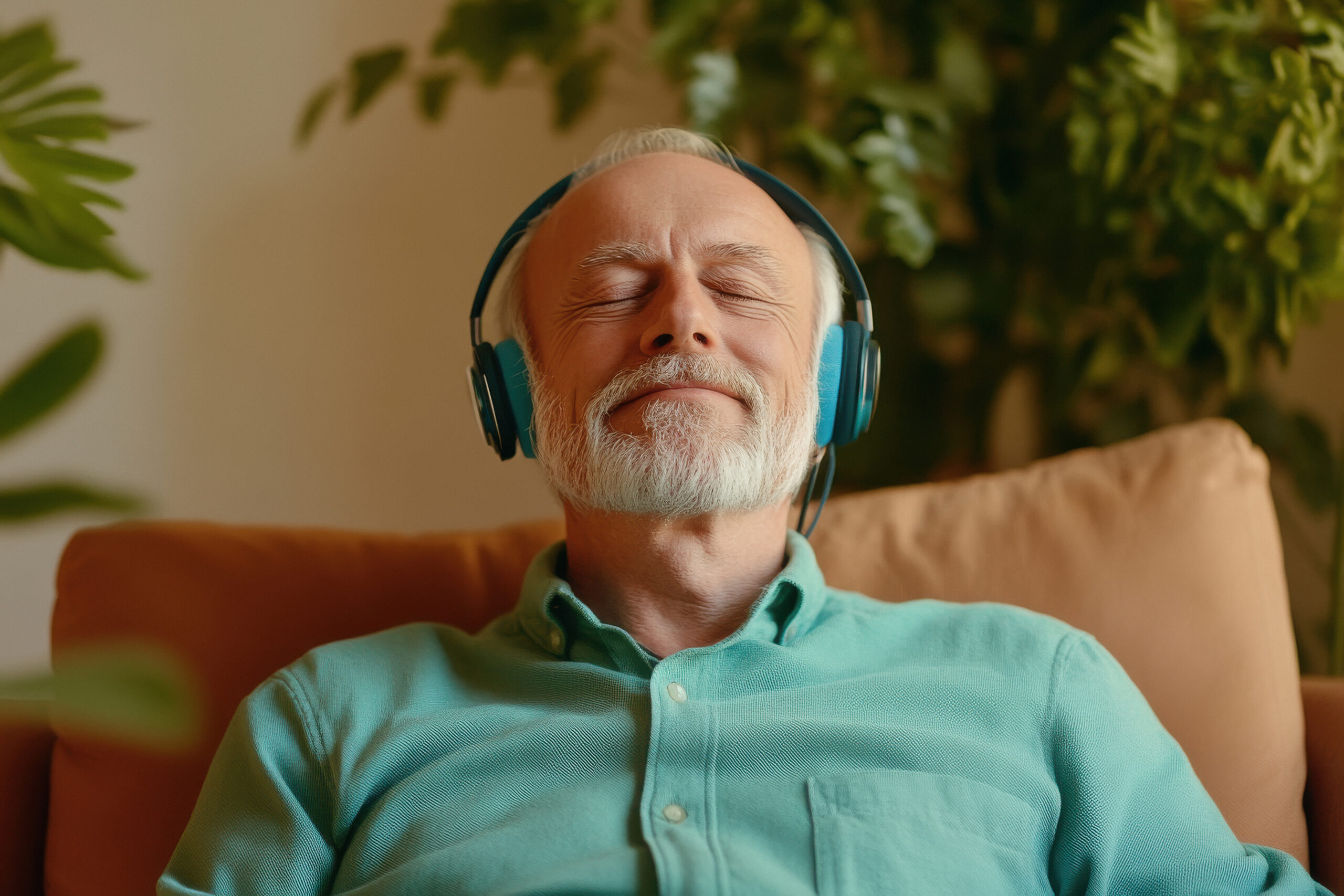
- Receptive music therapy – The individual listens to preselected personally meaningful music, often through headphones or a speaker playlist.
- Active music making – Singing along, clapping, or playing simple instruments encourages participation and motor engagement.
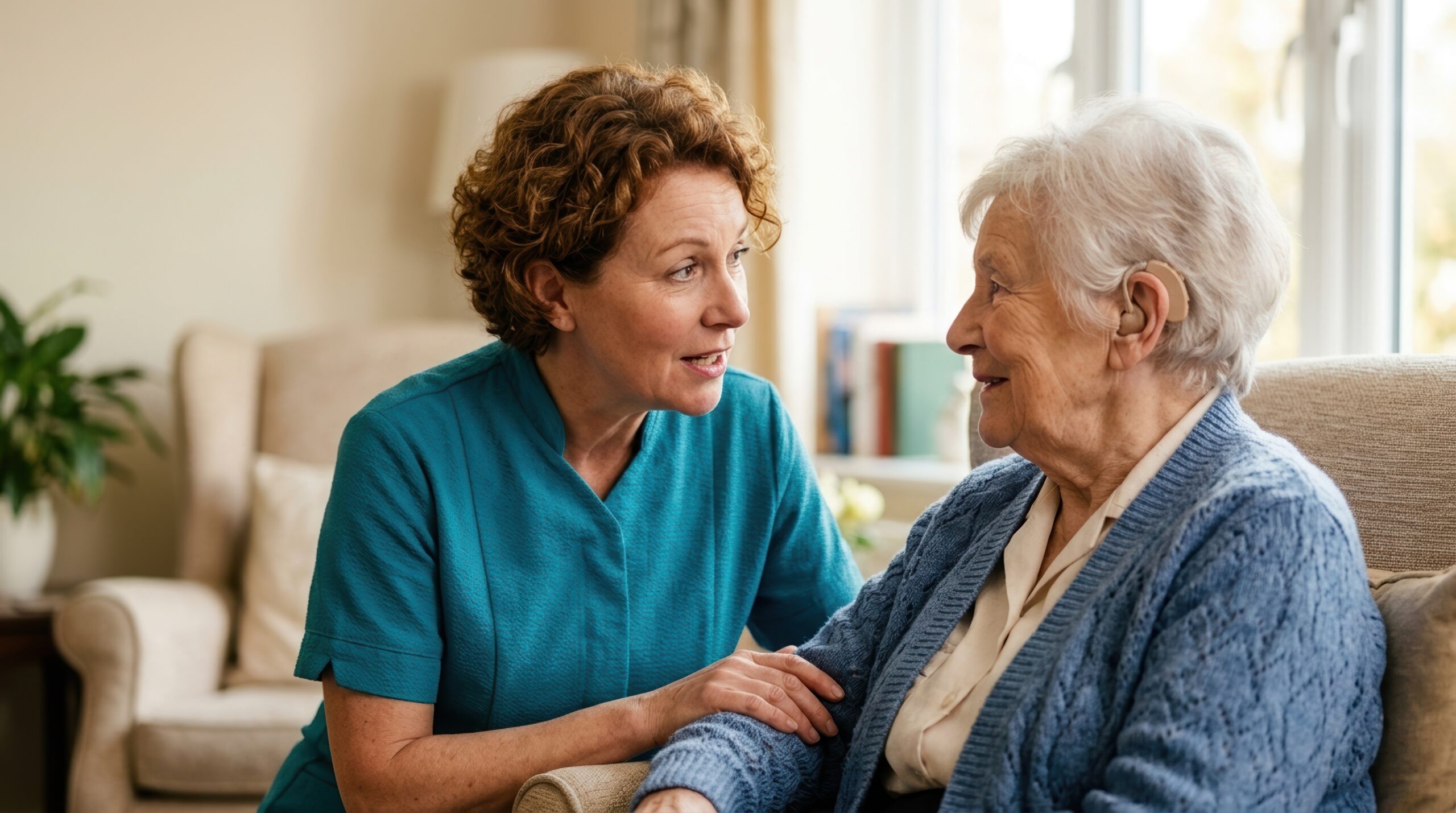
- Music-assisted reminiscence – A caregiver plays familiar songs and uses them as conversation prompts to encourage autobiographical storytelling.
- Background music – Softly playing calming music during daily routines (e.g., meals, bathing, or bedtime) can reduce agitation and ease transitions.
Each approach can be tailored to the individual’s cognitive level, musical preferences, and daily schedule.
How Can Caregivers Create an Effective Music Playlist for Someone with Dementia?
A personalized playlist is central to effective music-based care. Here’s how to build one:
- Gather history – Ask family members about the person’s favorite songs, artists, and genres from his or her teens and twenties.
- Focus on familiarity – Prioritize songs the individual has responded positively to in the past, not caregiver preferences.
- Keep it calm – Avoid fast-paced or unfamiliar tracks that may cause overstimulation.
- Limit length – A playlist of 10–15 songs is typically sufficient for a 20–30 minute session.
- Update regularly – Note which songs prompt a positive response and refine the playlist over time.
Programs like Music & Memory®, a nonprofit initiative, train caregivers to build these personalized playlists and have documented measurable improvements in mood and engagement among participants.
What Are the Measurable Benefits of Music Therapy for Cognitive Decline?
The evidence base for music therapy in dementia care is growing:
- A 2023 Cochrane Review found music-based interventions reduced depressive symptoms and anxiety in people with dementia.
- Studies report decreased behavioral and psychological symptoms of dementia (BPSD), including wandering and verbal agitation, following regular music sessions.
- Caregivers report stronger emotional connections with the individuals they support during and after music sessions.
- Music therapy has also been associated with enhanced sleep quality in some home care participants.
These outcomes make music therapy a compelling complement to standard care routines.
Some seniors only require help with a few daily tasks so they can maintain their independence. However, those living with serious illnesses may need more extensive assistance. Luckily, there is professional 24-hour home care Boca Raton seniors can rely on. Home can be a safer and more comfortable place for your loved one to live with the help of an expertly trained and dedicated live-in caregiver.
What Practical Steps Can Home Care Providers Take to Implement Music Therapy?
Integrating music into home care doesn’t require specialized equipment or formal training to start:
- Use free or low-cost streaming services (Spotify, YouTube, Apple Music) to access personalized playlists.
- Schedule dedicated music sessions at consistent times, particularly during periods of peak agitation like late afternoon.
- Involve family members in identifying meaningful songs and participating in sessions when possible.
- Document responses: note which songs prompted engagement, calmness, or distress, and adjust accordingly.
- Consider formal training through programs like Music & Memory® for deeper implementation.
Aging in place can present a few challenges for seniors living with dementia. However, with professional respite or overnight home care that offers Boca Raton families peace of mind, they can still live independently at home. Families can rely on Angel Touch Home Care to provide their elderly loved ones with mental and social stimulation, timely medication reminders, assistance with meal prep, and much more. Our caregivers are available around the clock to help your loved one live a happier and healthier life. To learn more about our highly trained caregivers, call us today
Frequently Asked Questions
Does music therapy work for all types of dementia?
+
Music therapy has shown benefits across various forms of dementia, including Alzheimer’s disease and vascular dementia, though individual responses vary depending on the stage and type of cognitive decline.
How long should a music therapy session last in a home care setting?
+
Most sessions range from 20 to 30 minutes, long enough to engage the individual without causing fatigue or overstimulation.
Can family members lead music therapy sessions at home?
+
Yes, family members can effectively lead informal music sessions using personalized playlists, though professional guidance from a certified music therapist can enhance outcomes.
What if the person with dementia doesn’t respond to music initially?
+
Non-response is common at first. Try different songs, genres, or times of day, as familiarity and timing significantly influence engagement.
Can I get a surety bond and business insurance from the same provider?
+
Music therapy is generally considered safe and well tolerated even in advanced stages, making it one of the most accessible supportive tools available in home care.