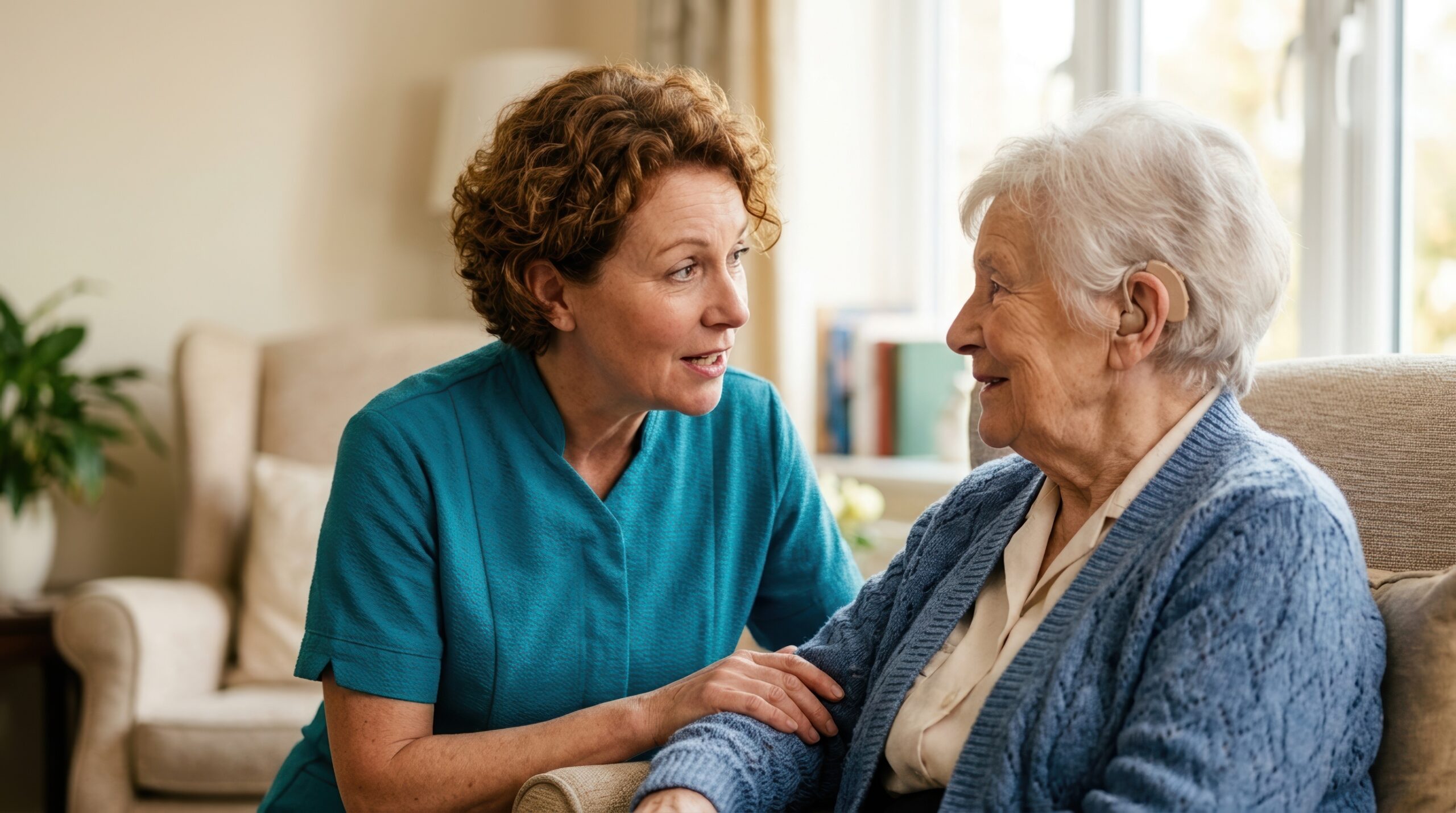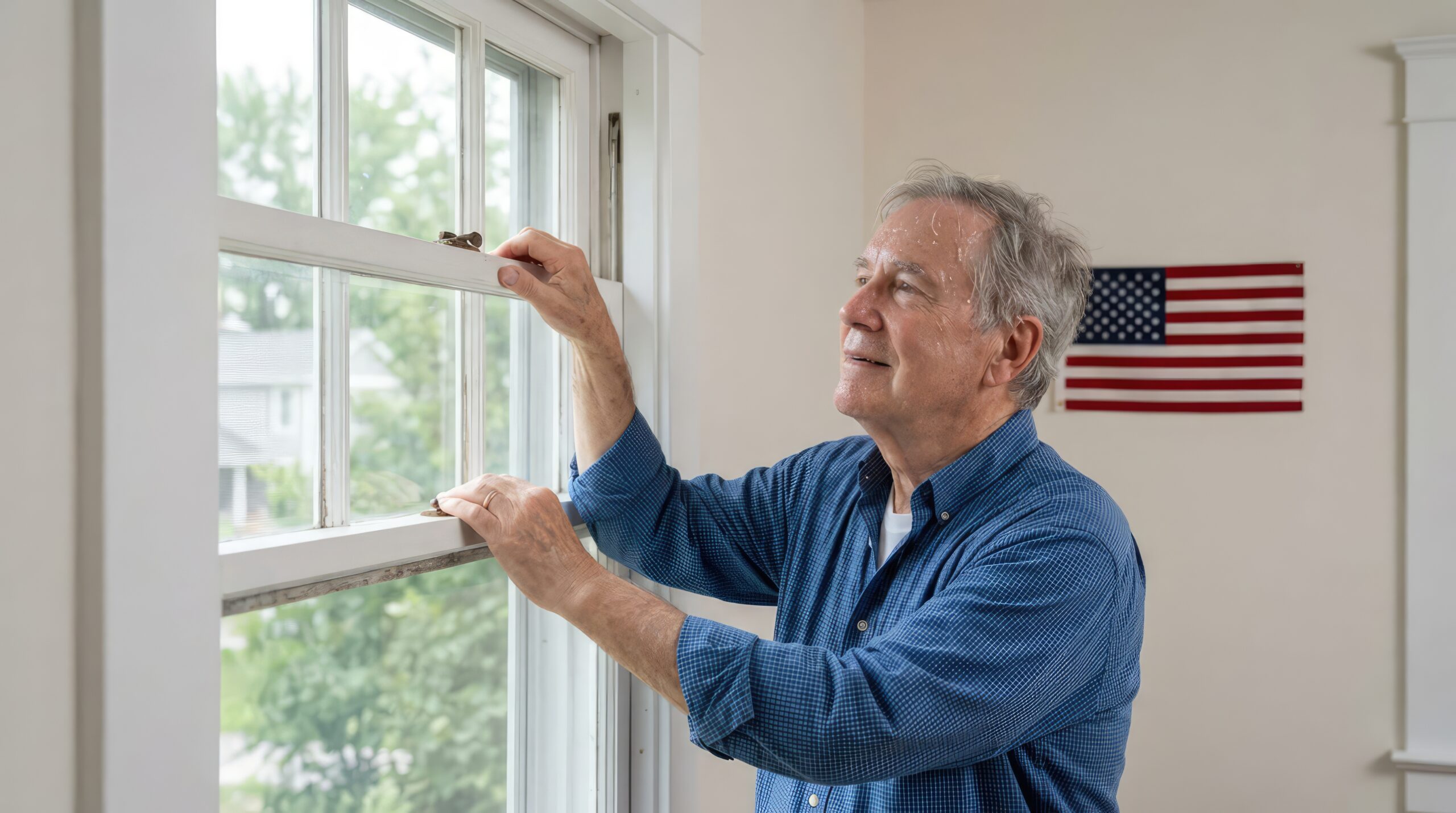

To get your senior loved one to accept caregiving help, start by choosing a calm, private moment to express your concerns with empathy and respect, focusing on his or her wellbeing rather than his or her limitations. Approaching a loved one about accepting caregiving help requires sensitivity, patience, and a clear understanding of his or her needs and feelings. This guide will walk you through practical strategies to make this conversation easier for both of you.
Why Is Timing Important when Discussing Caregiving?
Choosing the right moment can make all the difference in how your loved one receives your message. Avoid bringing up the topic during stressful situations, medical emergencies, or when emotions are running high. Instead, look for quiet, comfortable times when both of you can talk without distractions.
Consider these ideal moments:
- After a pleasant meal or family gathering
- During a calm afternoon at home
- Following a routine doctor’s appointment where concerns were raised
- When your loved one mentions feeling overwhelmed or tired
The goal is to create an environment where your loved one feels safe and heard, not cornered or pressured.
How Can You Frame the Conversation Positively?
The way you present caregiving help significantly impacts how your loved one responds. Focus on maintaining independence and quality of life rather than highlighting challenges or limitations.
Use positive framing techniques:
- Emphasize how help can preserve your loved one’s autonomy – “Having someone assist with grocery shopping means you’ll have more energy for your gardening.”
- Position caregiving as a partnership – “We can work together to find solutions that fit your lifestyle.”
- Highlight specific benefits – “A caregiver could help with household tasks so you can focus on the activities you enjoy most.”
- Acknowledge your loved one’s feelings – “I understand you value your independence, and we want to support that.”
Avoid language that feels condescending or implies your loved one is incapable. Instead of saying “You can’t do this anymore,” try “Let’s find ways to make this easier for you.”
Hiring professional in-home care is one of the best ways to ensure your loved one enjoys a high quality of life. Boca Raton home care experts are available to provide high-quality care to seniors on an as-needed basis. From assistance with mobility and exercise to arranging transportation to the doctor’s office and social events, there are a variety of ways professional caregivers can help your aging loved one continue to live independently.
What Should You Listen for during the Conversation?
Active listening helps you understand your loved one’s true concerns and resistance points. Pay attention to both your loved one’s words and underlying emotions throughout the discussion.
Key things to listen for:
- Fear of losing independence – Your loved one may worry that accepting help means giving up control over his or her life.
- Financial concerns – The cost of caregiving services might be a significant worry.
- Privacy issues – Some people feel uncomfortable having strangers in their home.
- Denial – Your loved one may not recognize or want to acknowledge the need for assistance.
- Past experiences – Negative experiences with caregivers can create resistance.
When you identify specific concerns, address them directly with concrete solutions. If your loved one is worried about costs, research affordable options or community resources. If privacy is the issue, discuss ways to establish boundaries with caregivers.
Living independently is important for seniors who want to maintain a high quality of life. For some, this simply means receiving help with tasks that have become more challenging to manage over time. Even when families have the best intentions, they may not have the time to provide the care their elderly loved ones need and deserve. If your loved one needs help for a few hours a day or a few days a week, reach out to Angel Touch Home Care, a trusted provider of respite, live-in, and overnight care Boca Raton seniors can depend on.
How Do You Handle Resistance or Refusal?
Resistance is common and doesn’t mean the conversation is over. Your loved one may need time to process the idea or may require multiple discussions before accepting help.
Strategies for managing resistance:
- Don’t push too hard – Respect your loved one’s right to make his or her own decisions, even if you disagree.
- Suggest a trial period – Propose trying caregiving help for a limited time to see how it goes.
- Involve trusted individuals – Sometimes hearing the same message from a doctor, friend, or other family member carries more weight.
- Start small – Begin with minimal assistance and gradually increase as your loved one becomes more comfortable.
- Revisit the topic – If your loved one refuses initially, give him or her space and bring it up again after some time has passed.
Remember accepting help is a significant emotional adjustment. Your loved one may be grieving the loss of his or her former capabilities, and that process takes time.
What Resources Can Support This Conversation?
Having concrete information and resources ready demonstrates you’ve thought through practical solutions and aren’t just expressing vague concerns.
Helpful resources to prepare:
- Local caregiving agencies – Research reputable providers in your area, including their services and costs.
- Community programs – Many communities offer senior services, meal delivery, or volunteer support.
- Financial assistance options – Look into Medicare, Medicaid, veterans benefits, or long-term care insurance coverage.
- Family involvement – Discuss how other family members might contribute to caregiving responsibilities.
- Support groups – Find groups for both caregivers and care recipients to share experiences and advice.
Presenting options shows you’re committed to finding solutions that work for everyone involved.
Many older adults are choosing to age in place, and some need a helping hand to continue living at home safely and comfortably. Whether you need respite from your caregiving duties or your aging loved one needs 24-hour care in Boca Raton, Angel Touch Home Care can meet your family’s care needs. Our dedicated caregivers are available around the clock to arrange transportation to doctor’s appointments, ensure seniors take their prescribed medications, and help with a variety of tasks in and outside the home. If your loved one needs help with the challenges of aging, call one of our compassionate Care Managers today.
Frequently Asked Questions
What if my loved one becomes angry or defensive?
+
Stay calm and acknowledge your loved one’s feelings without backing down from your concerns. Take a break if needed and return to the conversation when emotions have settled.
Should I involve other family members in the initial conversation?
+
This depends on family dynamics, but having one or two supportive family members present can help, as long as your loved one doesn’t feel ganged up on.
How do I know when it’s truly necessary to insist on caregiving help?
+
If there are safety concerns—like repeated falls, missed medications, or inability to perform basic daily tasks—it may be time to be more assertive, possibly involving a doctor.
What if my loved one agrees to help but then refuses when the caregiver arrives?
+
This is common. Stay patient, reaffirm why the help is important, and consider whether a different caregiver or approach might work better.
How can I address concerns about the cost of caregiving?
+
Be transparent about finances, explore all available assistance programs, and consider family members taking on some responsibilities to reduce professional care hours needed.