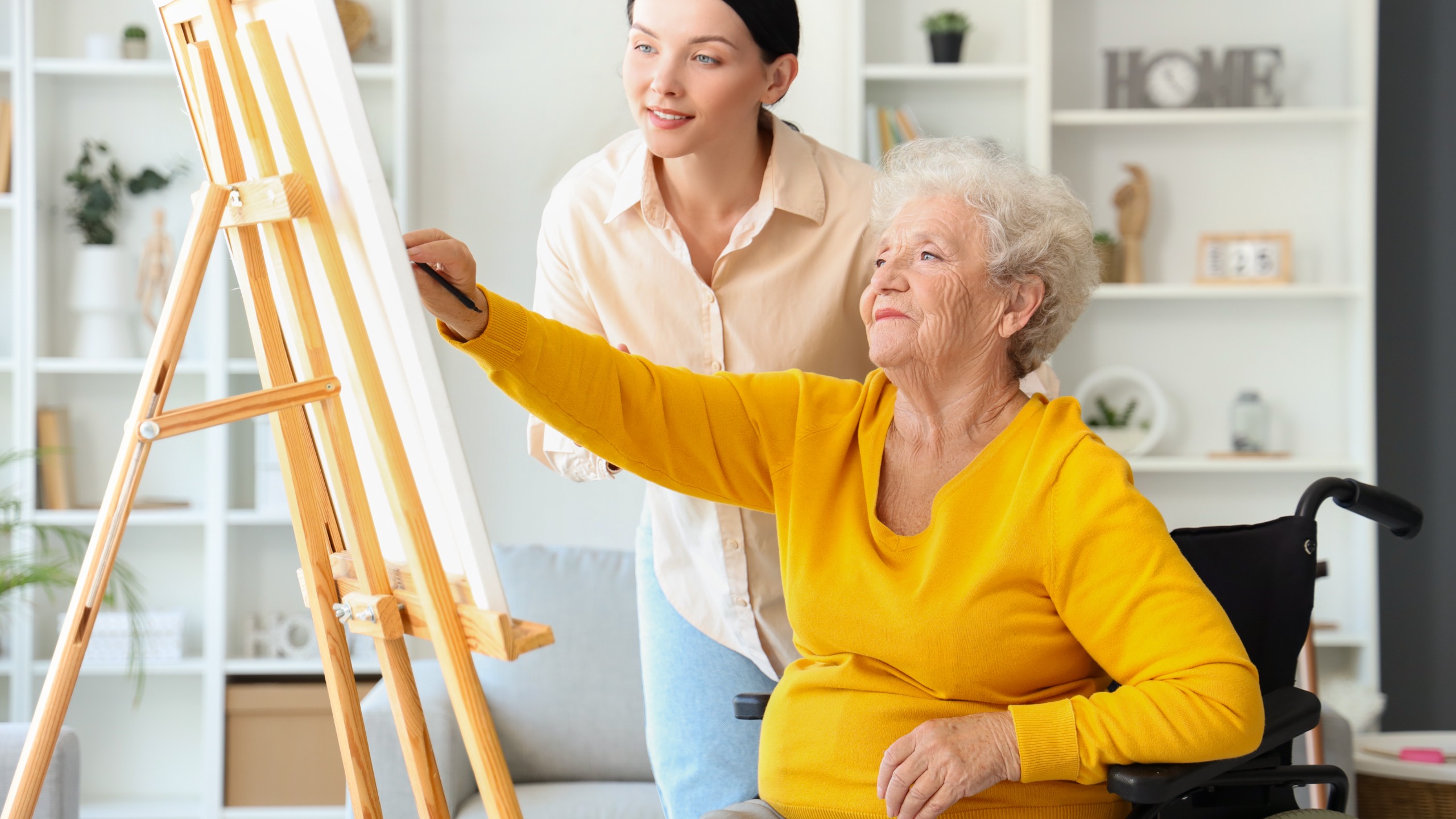
Art therapy generally benefits dementia patients by supporting cognitive stimulation, boosting emotional wellbeing, enhancing nonverbal communication, encouraging social interaction, and maintaining motor skills. By engaging creative abilities that often remain intact, art therapy typically offers meaningful self-expression and reduces anxiety, helping individuals maintain a higher quality of life.
Art therapy offers a powerful nonverbal pathway for connection and expression when words fail those living with dementia. By engaging the creative mind, this therapeutic approach provides a meaningful outlet that can significantly enhance quality of life and emotional wellbeing for dementia patients at various stages of the disease.
How Does Creative Expression Stimulate Brain Function in Dementia Patients?
Engaging in artistic activities stimulates the brain in unique ways, bypassing the damage caused by dementia. While language centers of the brain may deteriorate, the areas responsible for visual creativity often remain preserved for much longer.
Art therapy activates multiple senses—sight, touch, and sometimes smell—which can trigger dormant memories and encourage reminiscing. The process of choosing colors, following patterns, or manipulating clay requires concentration and decision-making, which serves as a gentle workout for the brain. This stimulation can boost cognitive health in some individuals by keeping neural pathways active.
If you’re caring for a loved one with dementia, you don’t have to face the challenges alone. Families looking for top-rated Boca Raton home care providers can reach out to Angel Touch Home Care. From respite care to live-in care, there are many ways we can make life easier for seniors and their loved ones.
How Does Art Enhance Communication for Nonverbal Seniors?
For many dementia patients, the loss of verbal communication is one of the most isolating aspects of the condition. Art provides an alternative language. When seniors can no longer find the right words to express pain, joy, or confusion, they may be able to paint or draw those feelings.
This form of expression bridges the gap between seniors and their caregivers or loved ones. A drawing might reveal a specific memory or an emotional state the senior cannot articulate verbally. This restores a sense of agency and helps caregivers understand their loved one’s internal world, fostering deeper empathy and connection.
In What Ways Does Art Therapy Boost Emotional Health and Mood?
Dementia often brings with it severe anxiety, depression, and agitation. Art therapy acts as a calming agent, reducing these behavioral symptoms by providing a sense of focus and flow. The benefits include:
- Reduced agitation – The repetitive motions involved in painting or sanding wood can be incredibly soothing, lowering stress levels.
- Sense of accomplishment – Completing artworks gives dementia patients tangible results, boosting self-esteem and confidence that’s often eroded by the disease.
- Mood elevation – The act of creating releases dopamine, boosting overall mood and reducing feelings of apathy.
By focusing on the present moment and the task at hand, dementia patients can find relief from the confusion and fear that often characterize their daily experience.
How Can Group Art Activities Encourage Social Interaction?
Group art therapy sessions help dementia patients build connections and reduce feelings of loneliness. Isolation is a significant risk for those with dementia, who may withdraw as social interactions become more difficult to navigate. Group art therapy sessions provide a safe, structured environment for socialization without the pressure of conversation.
In a group setting, participants can share materials, observe each other’s work, and feel a sense of camaraderie. This shared experience fosters a sense of belonging and community. Even if the participants don’t speak to one another, the act of creating art together creates a bond and reduces feelings of loneliness.
Families who find it difficult to care for their aging loved ones without assistance can benefit greatly from professional Boca Raton respite care. Family caregivers who need a break from their caregiving duties can turn to Angel Touch Home Care. Our caregivers can encourage your loved one to eat well, exercise regularly, get plenty of mental and social stimulation, and focus on other lifestyle factors that promote longevity.
How Does Art Therapy Support Physical Motor Skills?
Beyond the mental and emotional benefits, art therapy also supports physical health. As dementia progresses, fine motor skills and hand-eye coordination often decline. Handling paintbrushes, kneading clay, or arranging mosaic tiles requires precise movements that help seniors maintain dexterity.
Regular engagement in these activities can preserve muscle memory and coordination for longer periods. This maintenance of physical capability contributes to seniors’ ability to perform other daily tasks, such as feeding themselves or buttoning clothes, thereby extending their independence.
Frequently Asked Questions
What is art therapy, and how does it benefit individuals with dementia?
Art therapy uses creative activities to stimulate cognitive function, reduce stress, and enhance emotional wellbeing in individuals with dementia.
What types of art activities are included in dementia home care services?
Activities may include painting, drawing, sculpting, or crafting, tailored to the individual’s abilities and interests.
Can art therapy enhance communication for individuals with dementia?
Yes. Art therapy provides a nonverbal way for individuals to express emotions and thoughts when verbal communication becomes challenging.
How do caregivers incorporate art therapy into daily routines?
Caregivers schedule regular art sessions and provide the necessary materials and guidance to make the experience enjoyable and accessible.
Is prior artistic experience necessary for art therapy to be effective?
No. Art therapy focuses on the process of creating rather than the final product, making it beneficial for everyone regardless of skill level.
Certain age-related conditions can make it more challenging for seniors to age in place safely and comfortably, but experts in live-in care Boca Raton families can rely on are available around the clock to help seniors manage their health. Whether your loved one is living with cognitive decline due to dementia or recovering from a stroke, you can trust the professional live-in caregivers from Angel Touch Home Care to enhance his or her quality of life. Give us a call today to learn about our flexible in-home care plans.