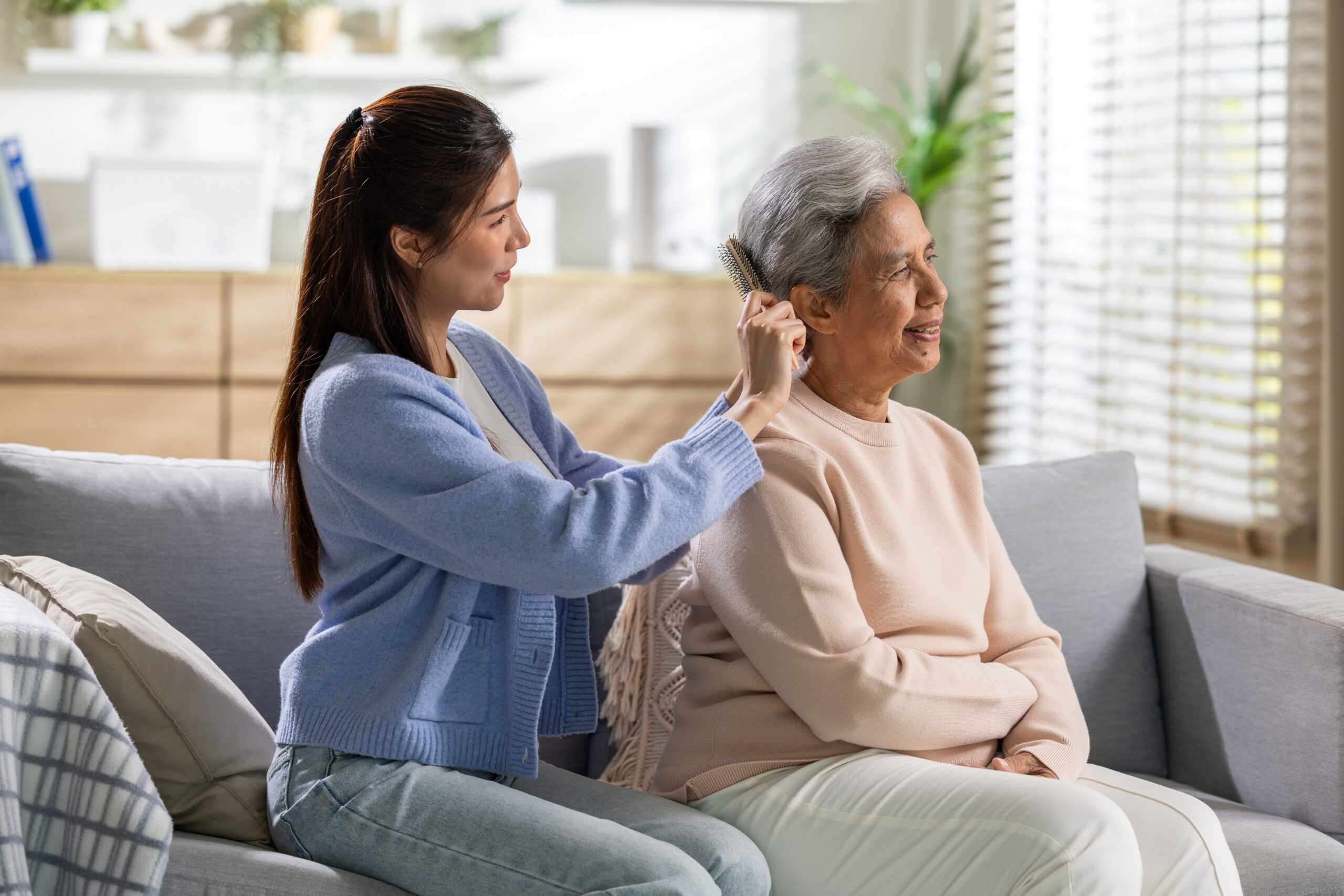

When a senior family member has dementia, explaining the condition to young children can feel overwhelming. Children naturally notice changes in their loved one’s behavior and may feel confused or frightened without proper guidance. Having honest, age-appropriate conversations about dementia can help your children understand what’s happening and provide them with the emotional support they need during this challenging time.
Use Simple, Clear Language
Young children benefit from straightforward explanations that don’t overwhelm them with medical terminology. Focus on what they can observe and understand:
- Explain that dementia is a sickness that affects the brain, making it harder for their loved one to remember things.
- Use familiar comparisons, such as “Grandpa’s brain has trouble working like it used to, kind of like when a computer runs slowly.”
- Avoid euphemisms or vague language that might create more confusion.
- Be prepared to repeat explanations multiple times, as children process information differently.
Remember children between ages 3 and 6 think very concretely, so abstract concepts about memory loss need to be tied to specific observable behaviors they’ve witnessed.
Dementia is a serious health condition. If your senior loved one needs help managing an illness or assistance with daily tasks, make sure you choose a top-rated provider of home care service Boca Raton families trust. Angel Touch Home Care is here to help your loved one live a happier and healthier life in the golden years.
Focus on What Stays the Same
While dementia brings many changes, emphasizing continuity can help your children feel secure and maintain their emotional connection to their loved one:
- Remind them that their loved one still loves them, even if he or she doesn’t always show it the same way.
- Point out physical traits that remain unchanged, like eye color or smile.
- Highlight moments when their loved one seems more like him or herself.
- Encourage children to share favorite memories from before the illness.
This approach can help your children understand that the core person they love is still there, even when the disease makes him or her act differently.
Consider hiring a professional caregiver if you need someone to provide care to your loved one. Certain age-related conditions can make it more challenging for seniors to age in place safely and comfortably, but experts in live-in care Boca Raton families can rely on are available around the clock to help seniors manage their health. Whether your loved one is living with cognitive decline or recovering from a stroke, you can trust the professional live-in caregivers from Angel Touch Home Care to enhance his or her quality of life.
Address Their Emotions and Concerns
Children may experience a wide range of emotions when learning about dementia, from sadness and fear to anger and guilt. Creating space for these feelings is crucial:
- Validate their emotions by saying things like “It’s normal to feel sad when someone we love is sick.”
- Answer their questions honestly, using language they can understand.
- Reassure them that dementia isn’t contagious and they didn’t cause it.
- Explain that it’s okay to feel frustrated when their loved one doesn’t remember them.
Consider using books designed for children about dementia or memory loss to facilitate these conversations and provide additional context they can relate to.
Involve Them in Appropriate Ways
Giving children ways to participate in their loved one’s care can help them feel useful and maintain their connection:
- Suggest simple activities they can do together, like looking at photo albums or listening to familiar music.
- Teach them how to speak slowly and clearly when communicating.
- Show them how to use gentle touch or hugs if their loved one is receptive.
- Let them help with small tasks like setting up a comfortable space.
Be mindful of each child’s personality and comfort level. Some children thrive on helping, while others may need more distance to process their feelings.
Offer Ongoing Support
Talking about dementia isn’t a one-time conversation. Children need continued support as the condition progresses:
- Check in regularly about how they’re feeling and what they’re noticing.
- Connect them with school counselors or support groups for children dealing with family illness.
- Maintain their normal routines and activities to provide stability.
- Be honest about changes while still protecting them from overwhelming details.
Consider involving other trusted adults, like teachers or family friends, who can provide additional emotional support and watch for signs that a child may be struggling.
An experienced caregiver can be a wonderful source of information and support for your whole family. Caring for a senior loved one can be rewarding, but it can also be overwhelming for family caregivers who have other responsibilities they need to focus on. For these families, the perfect solution is respite care Boca Raton seniors can depend on. Families can rely on our caregivers whenever they need time to rest, work, run errands, and even go on vacation. Call Angel Touch Home Care today to discuss how we can give you the peace of mind that comes from knowing your loved one is being cared for with professionalism and compassion.