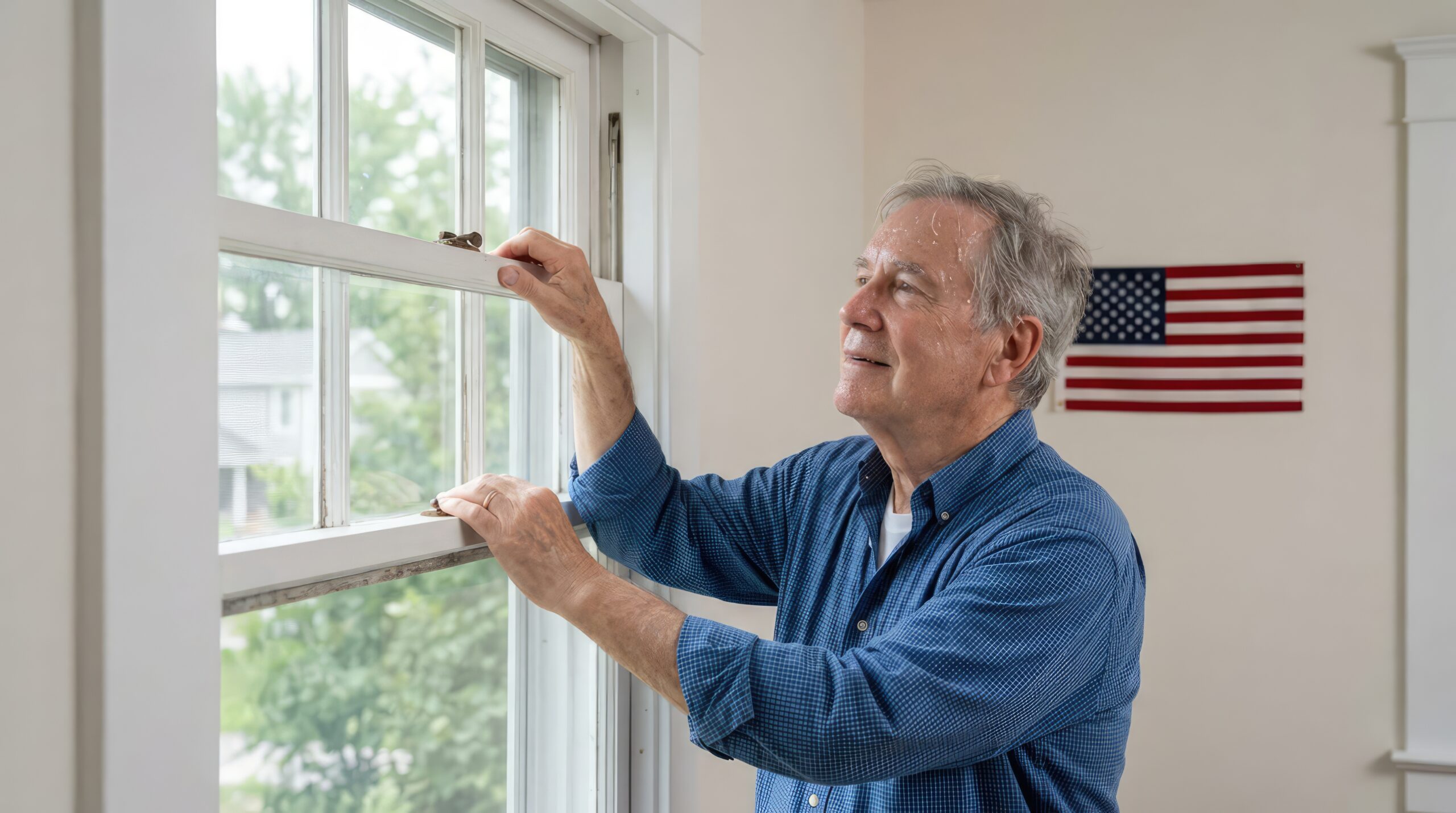
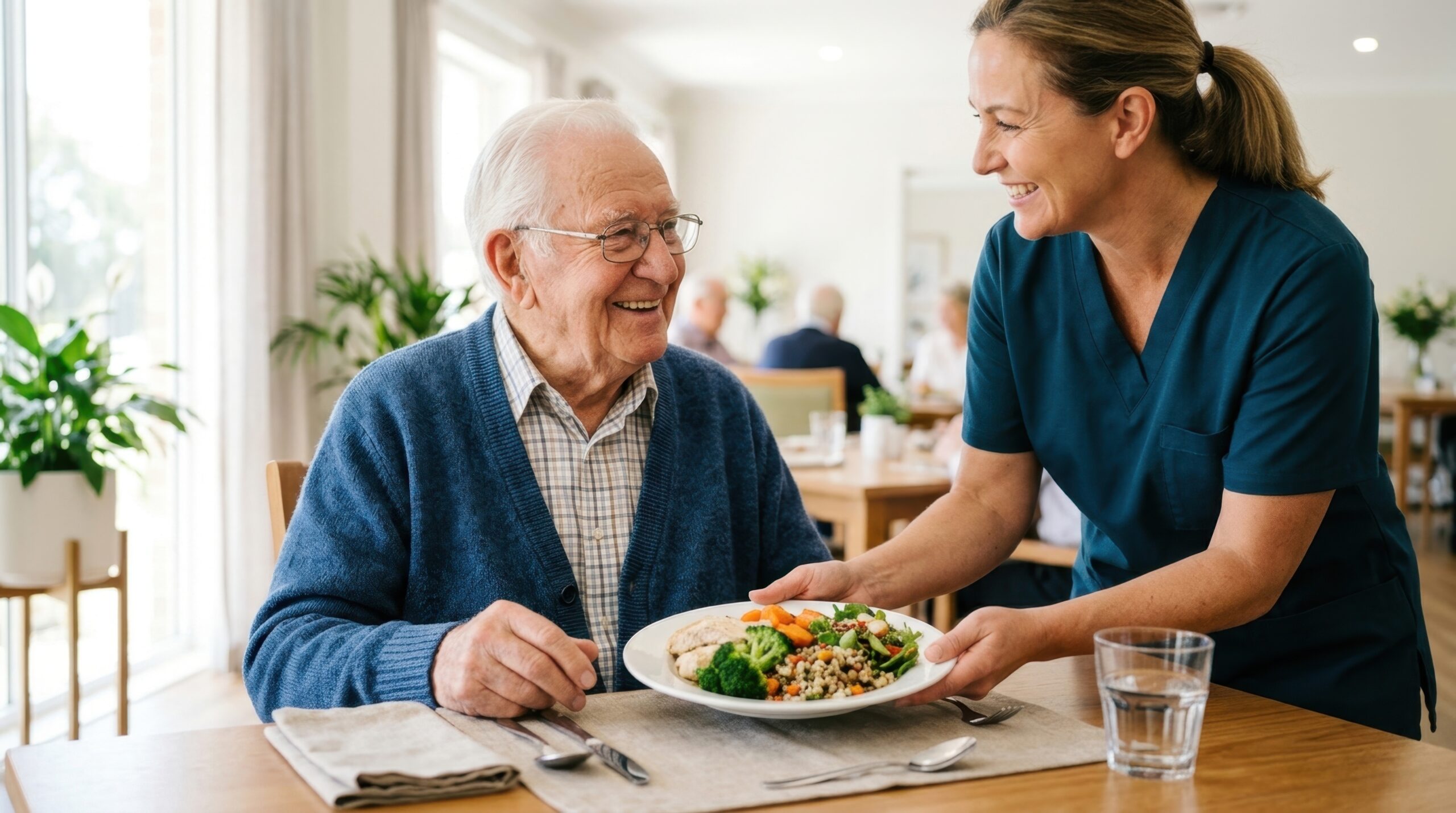
In-home care prevents senior malnutrition by actively managing grocery shopping, meal preparation,nd daily nutritional monitoring for older adults who have difficulty feeding themselves adequately. Having dedicated caregivers ensures seniors receive regular balanced meals tailored to their specific dietary requirements. This ongoing support directly addresses the everyday physical and cognitive challenges that often disrupt healthy eating habits in the golden years.
How Does In-Home Care Assist with Grocery Shopping?
In-home care services eliminate the physical strain of navigating supermarkets, reading small product labels, and carrying heavy bags. Caregivers can help seniors create detailed shopping lists, purchase fresh ingredients, and stock pantries with nutritious options.
What Are the Benefits of Caregiver Meal Preparation?
Caregiver meal preparation ensures seniors consume foods rich in essential nutrients rather than relying on processed low-effort snacks. In-home caregivers handle the demanding aspects of cooking through several helpful methods:
- Chopping vegetables and preparing raw ingredients for easy assembly
- Batch-cooking meals and portioning them out for the week
- Adapting recipes to accommodate specific texture preferences
- Organizing the refrigerator to keep fresh food easily accessible
From preparing nutritious meals to managing simple housekeeping tasks, seniors may need help with an array of activities. If your aging loved one needs occasional help with bathing, grooming, cooking, or other basic household tasks, or if you need time to attend to important personal matters, reach out to Angel Touch Home Care, a leading provider of live-in, respite, and overnight home care in Boca Raton. Seniors can maintain their independence while living at home with the help of our reliable respite caregivers.
How Do Caregivers Encourage Consistent Eating Habits?
Caregivers establish reliable daily routines that prompt older adults to eat at regular intervals. By setting specific schedules for breakfast, lunch, and dinner, in-home caregivers help seniors overcome naturally decreasing appetites or memory issues that might otherwise cause them to skip meals entirely.
Aging in place can present a few unique challenges for older adults in southeastern Florida. Some only require part-time assistance with exercise or meal preparation, while others are living with serious illnesses and benefit more significantly from receiving top-rated Boca Raton 24-hour home care. Angel Touch Home Care are leaders in the elderly in-home care industry for good reason. We tailor our care plans based on each senior’s individual needs, our caregivers continue to receive updated training in senior care as new developments arise.
Why Is Companionship Important during Mealtimes?
Eating alone often reduces a senior’s desire to prepare or consume a full meal. Having an in-home caregiver present transforms eating into a social activity, which naturally increases appetite and makes mealtime an enjoyable, engaging experience.
If you have a senior loved one who needs help maintaining a high quality of life while aging in place, reach out to Angel Touch Home Care, a leading provider of at-home care Boca Raton families can trust. Our caregivers help seniors focus on healthy lifestyle habits such as eating nutritious foods, exercising regularly, and maintaining strong social ties, and we offer mentally stimulating activities that can boost cognitive health. Call Angel Touch Home Care today to learn about our high-quality in-home care services.
Frequently Asked Questions
What are the common signs of senior malnutrition?
+
Unexplained weight loss, constant fatigue, and a noticeable decrease in daily food intake are primary indicators of malnutrition in older adults. If a senior’s refrigerator consistently contains spoiled food or only highly processed snacks, he or she may be having difficulty eating properly.
How can families monitor a senior loved one’s nutritional intake from afar?
+
Families can hire in-home caregivers to provide daily or weekly updates on what their loved ones are successfully eating and drinking. Caregivers serve as dependable sets of eyes to track grocery consumption, pantry levels, and overall meal completion.
Can in-home caregivers accommodate specific dietary restrictions?
+
Yes, in-home caregivers strictly follow family-provided dietary guidelines, such as low-sodium, gluten-free, or vegetarian plans. They carefully read food labels and prepare meals that safely align with these specific dietary requirements.
Why do older adults often lose their appetite?
+
Many older adults experience decreases in their senses of taste and smell, which makes their favorite foods seem less appealing. Additionally, everyday mobility challenges and the physical effort required to stand in the kitchen often discourage seniors from preparing complete meal